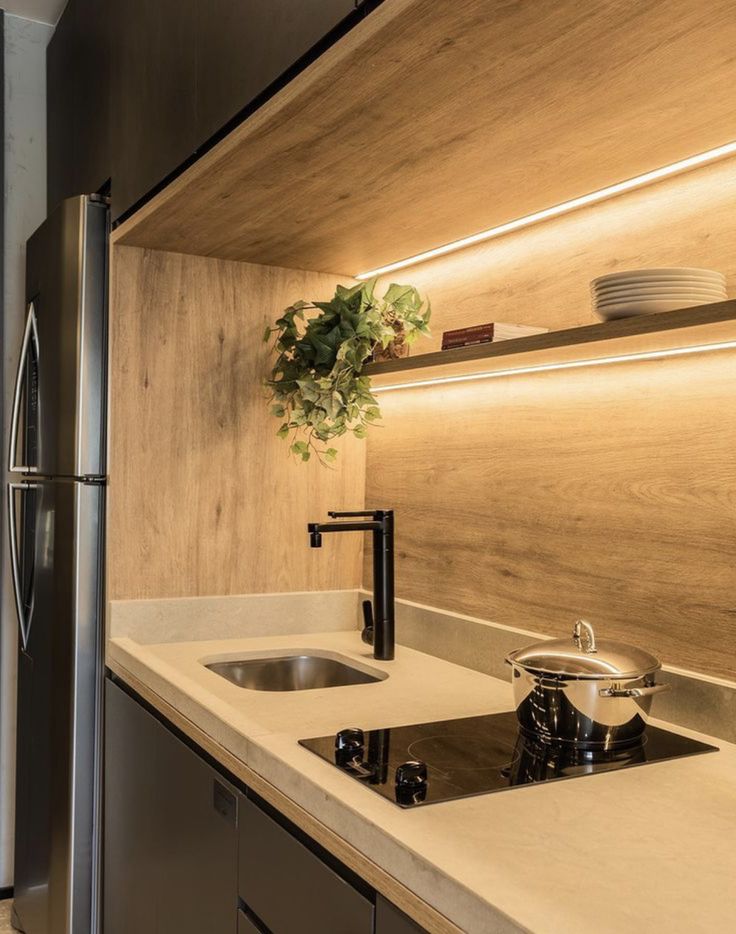
Lighting is often the most overlooked element in kitchen design, yet it is arguably the most important. A well-lit kitchen isn’t just about being able to see what you are chopping; it’s about creating an atmosphere, enhancing safety, and highlighting your home’s best features.
Whether you are planning a full renovation or simply looking to brighten up your space, this kitchen lighting design guide will help you layer light like a professional.
Understanding the Three Layers of Lighting
To achieve a balanced and functional kitchen, you cannot rely on a single overhead fixture. Interior designers use a “layered” approach to ensure every corner of the room is covered.
Ambient Lighting: The Foundation
Ambient lighting provides the general illumination for the room. It’s the primary source of light that allows you to move around safely. Common examples include recessed ceiling lights (can lights), flush mounts, or large central chandeliers.
Task Lighting: Precision and Safety
This is the most critical layer for any home cook. Task lighting focuses on specific work areas where you perform detail-oriented jobs like slicing vegetables, reading recipes, or washing dishes. Under-cabinet LED strips and pendant lights over the island are the gold standards here.
Accent Lighting: The Finishing Touch
Accent lighting is purely aesthetic. It adds depth and dimension by highlighting architectural features or decor. Think of puck lights inside glass-front cabinets to show off your glassware or toe-kick lighting at the base of your island for a modern, floating effect.
Choosing the Right Fixtures for Your Layout
The shape and size of your kitchen dictate where your light sources should be placed.
The Kitchen Island
The island is usually the focal point. Pendant lights are the go-to choice here. A good rule of thumb is to hang pendants about 30 to 36 inches above the countertop. Always use an odd number (like three small pendants) for a balanced look, or two larger ones for a bold statement.
Under-Cabinet Brilliance
Shadows are the enemy of a functional countertop. By installing LED tape lights or slim puck lights underneath your upper cabinets, you eliminate the shadows cast by overhead lights, making your workspace much safer and more inviting.
Recessed Lighting Spacing
When installing recessed lights, avoid the “Swiss cheese” look. Space them roughly 4 to 6 feet apart and align them with the edge of your countertops rather than the center of the walkway to ensure the light falls exactly where you need it.
Color Temperature and Brightness Matters
Not all light is created equal. The “color” of your light measured in Kelvins (K) drastically changes the mood of your kitchen.
- 2700K – 3000K (Warm White): Best for a cozy, traditional feel. It makes wood tones look rich and inviting.
- 3500K – 4000K (Neutral White): Ideal for modern kitchens. It provides a clean, energetic feel that is great for visibility without being too “blue.”
The Power of Dimmers
If there is one piece of advice this kitchen lighting design guide emphasizes, it is this: install dimmer switches. Dimmers allow you to transition from high-energy “task mode” while cooking to a soft, “ambient mode” for dining and entertaining.
Smart Lighting Trends
In 2026, kitchen lighting is smarter than ever. Motion-sensor lights inside pantries or drawers are becoming standard, ensuring you never have to fumble for a switch with flour-covered hands. Voice controlled systems also allow you to adjust your “cooking scene” or “dinner scene” with a simple command.
Maintenance and Efficiency
Switching to LED is no longer optional it’s a necessity. LEDs use significantly less energy, stay cool to the touch (perfect for under-cabinet use near food), and can last for decades. When selecting bulbs, look for a high Color Rendering Index (CRI) of 90 or above. This ensures that the colors of your food look vibrant and natural.
Frequently Asked Questions
How high should I hang pendant lights over a kitchen island? Generally, pendants should hang between 30 and 36 inches above the surface of the island. If you are particularly tall, you may want to hang them slightly higher to keep your line of sight clear.
What is the best lighting for a small kitchen? In small spaces, avoid bulky fixtures. Use recessed lighting for ambient light and slim LED strips under cabinets. Adding a mirror or reflective backsplash can also help bounce light around the room to make it feel larger.
How many lumens do I need for my kitchen? For general kitchen areas, aim for 30 to 40 foot-candles (lumens per square foot). For task areas like the stove or prep counter, aim higher around 70 to 80 foot-candles.
Can I mix different metal finishes for my light fixtures? Absolutely! Mixing metals (like matte black and brushed gold) is a popular design trend. Just ensure there is a common element that ties the room together, such as the style or the color temperature of the bulbs.
Is under-cabinet lighting hard to install? It depends. Battery operated or “plug-in” LED strips are very easy to install as a DIY project. However, hardwired systems that turn on with a wall switch usually require a professional electrician.