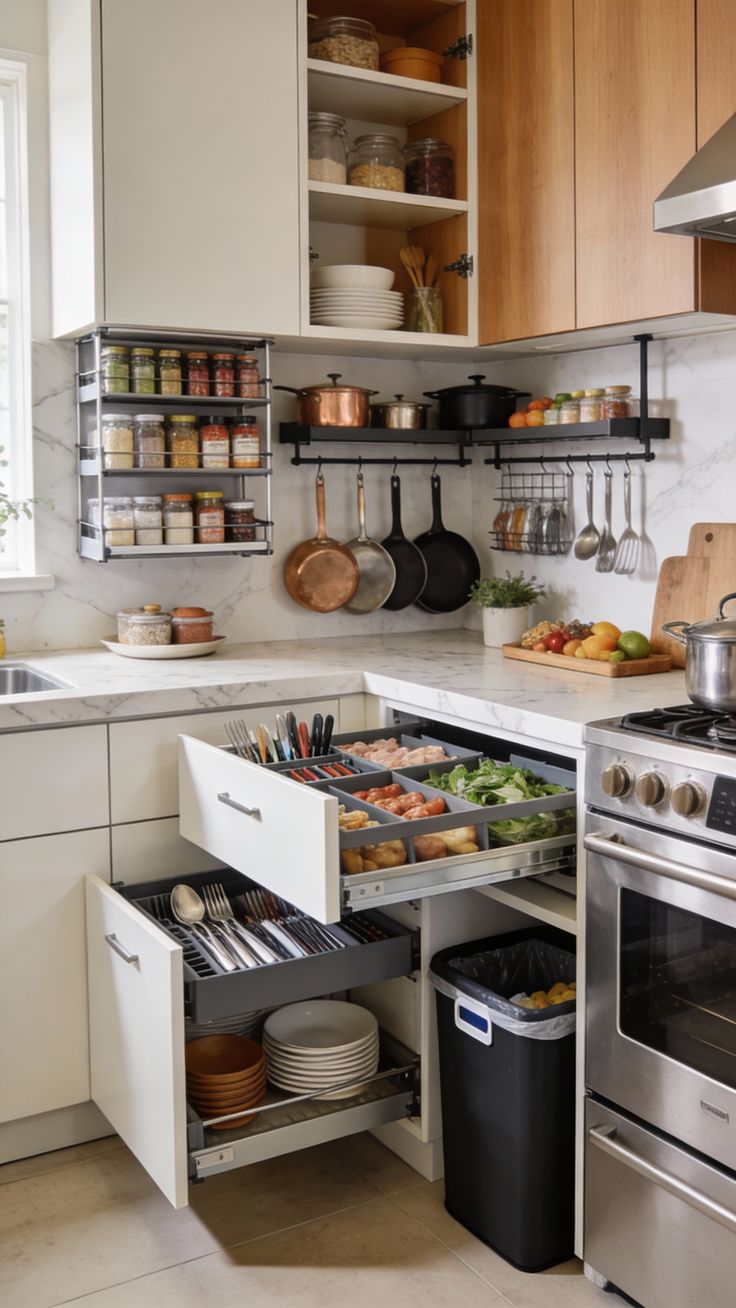
The kitchen is often described as the heart of the home, but it is also the place where most household accidents occur. From sharp knives and hot surfaces to invisible bacteria and electrical hazards, the risks are numerous. However, most kitchen-related injuries are entirely preventable with the right habits and a bit of foresight.
Whether you are a seasoned home chef or just learning the basics, following these kitchen safety tips for home will help you create a secure environment for yourself and your family.
Fire Prevention and Fire Safety Basics
Fire is the most immediate danger in any kitchen. Most kitchen fires start on the stovetop and can spread within seconds.
Never Leave Cooking Unattended
The most common cause of kitchen fires is unattended cooking. If you must leave the room, even for a moment, turn off the stove. It only takes a few seconds for a pan to overheat and ignite.
Handling Grease Fires
If a pan catches fire, never use water. Water will cause the oil to splash and spread the flames. Instead, slide a metal lid over the pan to smother the fire and turn off the heat. Keep a fire extinguisher rated for kitchen use (Class K or BC) nearby and ensure you know how to use it.
Keep Flammables Away
Keep dish towels, oven mitts, wooden utensils, and food packaging away from the stovetop. Ensure curtains are secured so they don’t blow onto a burner.
Knife Safety and Sharp Object Handling
It may sound counterintuitive, but a dull knife is more dangerous than a sharp one. A dull blade requires more pressure to cut, increasing the chance that it will slip and cause an injury.
- Keep Knives Sharp: A sharp blade bites into the food easily, giving you more control.
- The “Claw” Grip: When chopping, tuck your fingertips in and use your knuckles to guide the blade. This keeps your fingers away from the sharp edge.
- Proper Storage: Store knives in a wooden block, on a magnetic strip, or in a sheath. Never toss them loose into a drawer where you might cut yourself while searching for a spoon.
- The Falling Knife Rule: If a knife falls, let it hit the floor. Never try to catch a falling knife.
Food Safety and Preventing Cross-Contamination
Kitchen safety isn’t just about physical injuries; it’s also about preventing foodborne illnesses.
The Two-Hour Rule
Perishable food should never be left out at room temperature for more than two hours. In hot weather (above 32°C), that time drops to just one hour. Bacteria grow rapidly in the “Danger Zone” between 5°C and 60°C.
Prevent Cross-Contamination
Use separate cutting boards for raw meat and fresh produce. Always wash your hands with soap and warm water for at least 20 seconds before and after handling raw poultry, meat, or seafood.
Proper Thawing
Never thaw meat on the counter. The safest way to thaw food is in the refrigerator, in cold water (changed every 30 minutes), or in the microwave if you plan to cook it immediately.
Electrical and Appliance Safety
Modern kitchens are filled with powerful appliances that require careful handling to avoid shocks and burns.
- Check Your Cords: Inspect appliance cords regularly for fraying or damage. Replace any appliance with a compromised cord.
- Keep Water Away: Never use electrical appliances near a sink filled with water. Ensure your hands are dry before plugging or unplugging anything.
- Unplug When Not in Use: Small appliances like toasters, blenders, and air fryers should be unplugged when they are not being used to prevent accidental activation or electrical surges.
Child and Pet Safety in the Kitchen
If you have little ones or furry friends, the kitchen requires extra layers of protection.
- Turn Handles Inward: When cooking on the stove, always turn pot handles toward the back of the stove so they can’t be bumped or grabbed by children.
- Latch Your Cabinets: Use child-proof locks on cabinets containing cleaning supplies, heavy glass, or sharp objects.
- Establish a “No-Go” Zone: Teach children to stay at least one meter away from the stove while it is in use.
Frequently Asked Questions
What should I do if I burn myself? Immediately run the burn under cool (not cold) tap water for at least 10 to 20 minutes. Do not apply ice, butter, or ointments, as these can trap heat and damage the tissue further. Seek medical attention for large burns or blisters.
How often should I replace my kitchen sponge? Sponges are a breeding ground for bacteria. You should replace them every one to two weeks, or sooner if they begin to smell. You can also sanitize them daily by putting them in the dishwasher on a high-heat cycle.
Is it safe to put a hot glass dish on a cold counter? No. Glass and ceramic can undergo “thermal shock,” causing them to shatter. Always place hot dishes on a wooden trivet or a dry potholder to protect both the dish and your countertop.
How do I safely clean up broken glass? Pick up the large pieces with tongs or gloved hands. For tiny shards, use a damp paper towel or a slice of bread to press down on the area and lift the fragments. Never use your bare hands or a vacuum cleaner unless it is a shop-vac rated for glass.
Should I wash raw chicken before cooking? No. Health experts advise against washing raw chicken because the splashing water can spread bacteria to your sink, countertops, and clothes. Cooking the chicken to an internal temperature of 74°C is the only way to kill harmful bacteria.