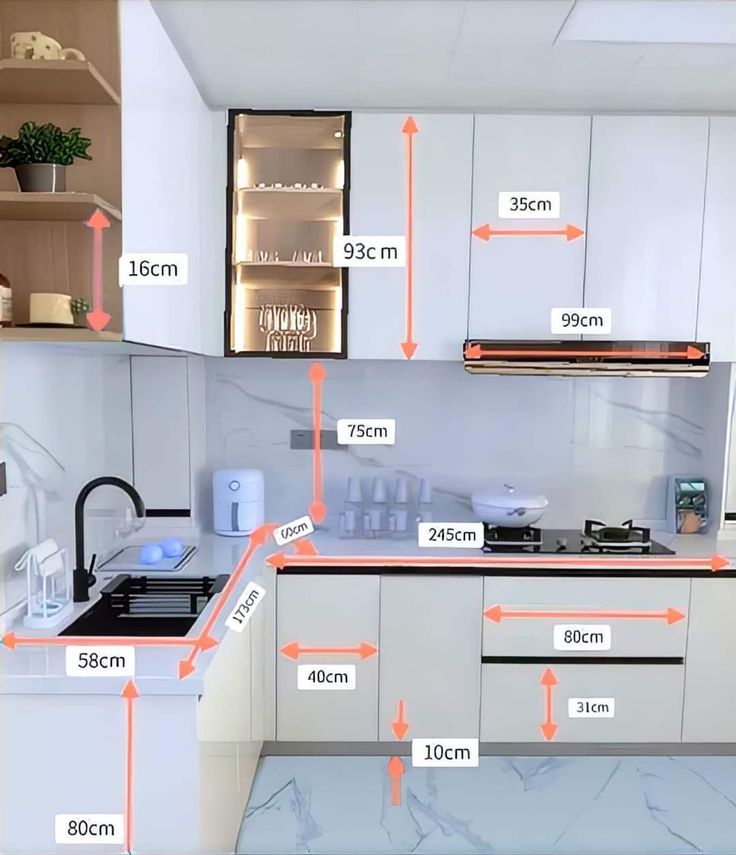
Designing a kitchen is often compared to solving a complex puzzle. You have a limited amount of space and a long list of essential tools that need to fit perfectly. However, the stakes are higher than just aesthetics; where you put your fridge, stove, and dishwasher determines how much effort it takes to prepare a meal.
A strategic kitchen appliance placement guide is the secret to a high-functioning home. By prioritizing ergonomics and workflow, you can reduce footsteps, minimize clutter, and create a kitchen that feels intuitive to anyone who uses it.
The Foundation: The Work Triangle and Beyond
For decades, designers have relied on the “Kitchen Work Triangle” as the gold standard for appliance placement. This principle suggests that the three most-used areas—the refrigerator, the sink, and the stove—should form a triangle.
- Efficiency: The sum of the three legs of the triangle should be between 12 and 26 feet.
- Safety: No major traffic path (like the route to the backyard) should cross through this triangle to prevent collisions with someone holding a hot pan.
- Modern Twist: In larger 2026 kitchens, we now think in “Work Zones.” For example, a “Baking Zone” might group the oven, mixer, and flour storage together, separate from the primary cooking area.
Where to Place the “Big Three” Appliances
The placement of your large appliances dictates the rest of your kitchen’s layout. Here is how to position them for maximum success.
The Refrigerator: Access is Key
The fridge should be placed at the entry point of the kitchen. This allows family members to grab a drink or a snack without entering the cook’s workspace. Ensure the door has enough clearance to swing open fully without hitting an island or a wall.
The Range or Cooktop: The Heart of the Heat
The stove should ideally be centered on a wall to provide ample countertop space on both sides. This creates “landing zones” for prep work and hot pots. Avoid placing a stove directly next to a refrigerator, as the heat can force the fridge to work harder, shortening its lifespan.
The Dishwasher: The Sink’s Best Friend
The dishwasher should always be placed immediately to the left or right of the sink. This minimizes dripping on the floor when transferring dishes from the basin to the racks. Ensure there is enough room for the dishwasher door to stand open while you still have access to the cabinets where the clean dishes are stored.
Small Appliance Strategy: Countertop vs. Hidden Storage
Small appliances like toasters, blenders, and air fryers can quickly clutter your workspace if not managed properly.
- Daily Use: Only keep appliances on the counter that you use every single day (e.g., the coffee maker).
- The Appliance Garage: This is a dedicated cabinet at counter level with a “roll-up” or folding door. It’s the perfect place to hide the toaster and blender while keeping them plugged in and ready to use.
- Lift Systems: For heavy items like a stand mixer, consider a “mixer lift” cabinet that brings the appliance up to counter height with a spring-loaded mechanism, saving your back from heavy lifting.
Optimizing Microwave and Oven Placement
The height at which you place your ovens significantly impacts safety and comfort.
Wall Ovens
Ideally, a wall oven should be installed so the middle of the oven is at eye level. This prevents unnecessary bending and makes it easier to monitor your food.
Microwave Placement
The “over-the-range” microwave is a common space-saver, but it can be a safety hazard for shorter users or children. A “Microwave Drawer” built into a lower cabinet or an island is a more ergonomic choice, as it allows you to lift hot heavy dishes up onto the counter rather than reaching down from a high shelf.
Planning for Outlets and Connectivity
In a modern kitchen, placement isn’t just about the physical box; it’s about the power.
- Hidden Outlets: Use pop-up outlets on islands or under-cabinet power strips to keep your backsplash looking clean.
- Dedicated Circuits: High-power appliances like the refrigerator and dishwasher should have their own dedicated electrical circuits to prevent tripped breakers.
- Tech Nooks: Designate a specific spot away from the sink for a tablet or smart screen to display recipes, ensuring it is at eye level so the cook doesn’t have to hunch over.
Frequently Asked Questions
Can I place my dishwasher at the end of a cabinet run? It is possible, but not ideal. Placing a dishwasher at the end usually requires an extra side panel for support and can make the area feel cramped. Centering it between cabinets is structurally more sound.
How much counter space do I need next to the stove? You should aim for at least 15 inches of clear countertop on one side and 12 inches on the other. This provides a safe “landing zone” for hot items.
Is it okay to put the microwave in a pantry? Yes, this is a great way to hide a bulky appliance. Just ensure the pantry has proper ventilation and a dedicated outlet to handle the microwave’s power draw.
How high should a wall-mounted oven be? The most ergonomic height is to have the bottom of the oven roughly 30 to 35 inches from the floor, which aligns the main rack with your natural reaching height.
What is the “landing zone” rule for refrigerators? You should have at least 15 inches of counter space on the handle side of the fridge (or on an island directly opposite) so you can set down grocery bags or items you are taking out.