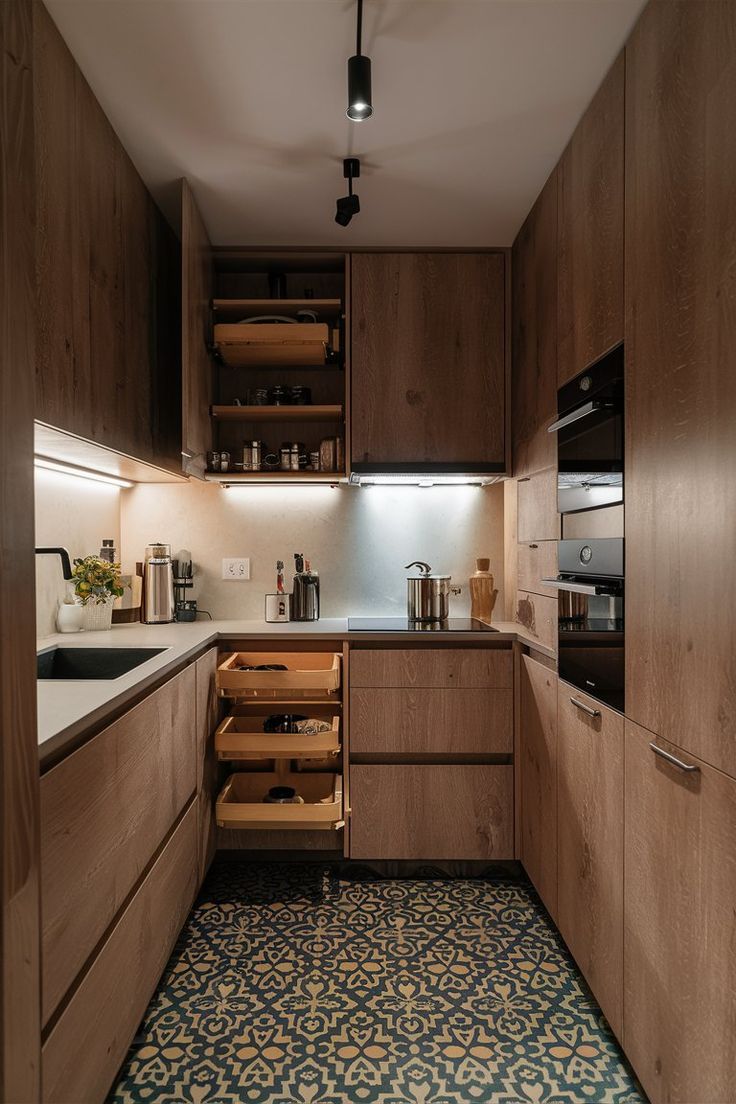
In the fast-paced world of 2026, the home has become a sanctuary of calm, and nowhere is this more evident than in the kitchen. Minimalism is no longer just about stark white walls or having “nothing on the counters.” It is a sophisticated design philosophy rooted in intentionality, efficiency, and the beauty of high-quality materials.
Adopting minimalist kitchen design concepts is about stripping away the non-essential to let the functionality of the space shine. Whether you are working with a compact apartment or a sprawling open-plan home, minimalism can transform your kitchen into a serene, high-performance environment.
The Core Philosophy of Minimalist Design
At its heart, minimalism follows the principle of “form follows function.” Every element in a minimalist kitchen must serve a purpose. If it doesn’t improve your cooking experience or contribute to the visual harmony of the room, it is likely unnecessary.
This approach creates a “visual silence” that reduces daily stress. By eliminating clutter and focusing on clean lines, the kitchen becomes easier to clean, easier to navigate, and far more timeless than trend-heavy designs.
Streamlined Cabinetry and Hardware-Free Surfaces
The most visible element of any kitchen is the cabinetry. In a minimalist setup, cabinets act as the “walls” of the room, blending seamlessly into the architecture.
Flat-Panel Doors
Minimalist kitchens almost exclusively use flat-panel (slab) doors. Unlike Shaker-style or raised-panel cabinets, flat panels have no grooves or ridges to catch dust or create visual “noise.”
Handleless Designs
To achieve a truly sleek look, many designers now opt for “integrated pulls” or “push-to-open” mechanisms. Removing traditional handles and knobs creates an uninterrupted flow of color and texture across the cabinet run.
Vertical Continuity
Running cabinets all the way to the ceiling not only maximizes storage but also creates a clean, vertical line that makes the ceiling feel higher and the room more expansive.
Monochromatic and Neutral Color Palettes
Minimalism thrives on a restrained color palette. This doesn’t mean your kitchen has to be all white, but it should be cohesive.
- Tone-on-Tone: Using varying shades of the same color—such as warm greys, soft beiges, or muted charcoals—adds depth without feeling overwhelming.
- Natural Wood Accents: To prevent a minimalist kitchen from feeling “cold,” designers often introduce light oak or walnut. The natural grain provides a warm, organic texture that serves as a focal point against a neutral backdrop.
- Matte Finishes: While high-gloss was once the staple of modern design, 2026 is all about matte finishes. Matte surfaces absorb light rather than reflecting it, contributing to a softer, more sophisticated atmosphere.
Integrated Appliances and Hidden Workstations
A key challenge of minimalism is managing the “clutter” of modern life. The solution lies in clever concealment.
Panel-Ready Appliances
A minimalist kitchen often features refrigerators and dishwashers hidden behind cabinet panels. When the appliances match the cabinetry, the kitchen looks more like a curated living space and less like a utility room.
The “Appliance Garage”
Small gadgets like toasters, blenders, and coffee makers are the enemies of clear countertops. An appliance garage is a dedicated cabinet at counter level with a retractable door, allowing you to use your gadgets and then hide them away in seconds.
Induction Cooktops
Induction technology is a favorite for minimalist design. Because the surface is a single, flat sheet of black or grey glass, it blends perfectly with the countertop, unlike bulky gas grates.
Decluttering the Countertop: The “Clear Surface” Rule
In a minimalist kitchen, the countertop is treated as a sacred workspace. The goal is to keep it almost entirely clear.
To make this practical, you need superior internal organization. Deep drawers with custom dividers for spices, knives, and utensils ensure that everything has a home behind closed doors. When the counters are clear, the beauty of your stone or quartz surfaces can truly be appreciated.
Lighting as a Minimalist Feature
In a room with few decorative objects, lighting becomes the primary accessory.
- Recessed Lighting: Provides clean, invisible ambient light.
- Under-Cabinet LEDs: Essential for task work, these provide a sharp, functional glow without taking up any physical space.
- Architectural Pendants: If you choose to have hanging lights over an island, they should be simple and geometric. One or two oversized, well-designed pendants often look better than several small, fussy ones.
Frequently Asked Questions
Is a minimalist kitchen hard to maintain? Actually, it is easier. With fewer surfaces to dust, no handles to polish, and clear countertops, daily cleaning takes significantly less time. The challenge is in the “habit” of putting things back in their designated spots immediately after use.
Can I have a minimalist kitchen if I love to cook? Absolutely. Minimalism is about efficiency. A minimalist kitchen often functions better for serious cooks because the workflow is unobstructed, and tools are organized by frequency of use.
How do I stop a minimalist kitchen from feeling “cold” or “boring”? Texture is the secret. Use a backsplash with a subtle organic ripple, a stone countertop with interesting veining, or a wooden island. These elements provide visual interest without the need for extra “decor.”
What is the best flooring for a minimalist kitchen? Large-format tiles with matching grout or continuous hardwood floors are ideal. Reducing the number of “seams” or lines on the floor helps the space feel more open and fluid.
How do I handle trash and recycling in a minimalist layout? Trash and recycling should always be integrated into a pull-out cabinet. This keeps odors contained and unsightly bins out of view, maintaining the clean aesthetic of the room.