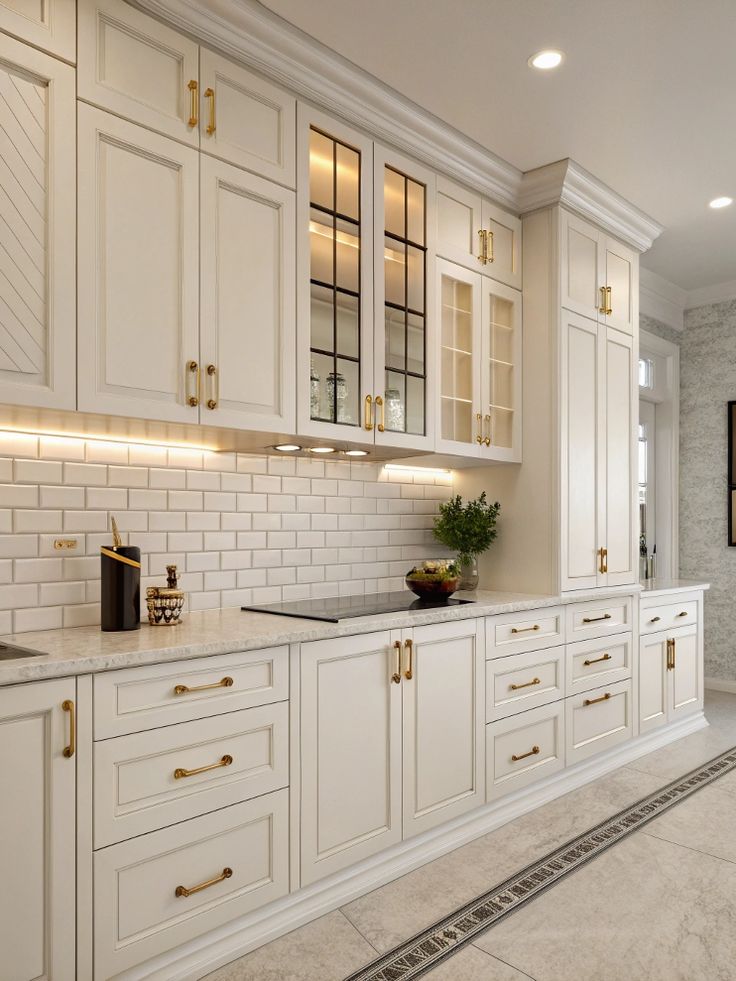
While modern trends come and go, the appeal of a traditional kitchen remains steadfast. Known for its warmth, intricate details, and sense of history, a traditional kitchen is more than just a place to cook—it is a sanctuary that feels “lived-in” and welcoming.
In 2026, traditional kitchen design ideas are evolving to include modern conveniences without sacrificing the classic aesthetics that homeowners love. If you want to create a space that feels both grand and cozy, this guide will walk you through the essential elements of traditional style.
The Hallmarks of Traditional Kitchen Style
To achieve a truly traditional look, one must focus on the details. Unlike the flat surfaces of modern design, traditional kitchens celebrate texture, layers, and craftsmanship.
- Ornate Cabinetry: Raised-panel doors and decorative moldings are staples. You will often see “crown molding” at the top of cabinets and “wainscoting” on the walls.
- Architectural Details: Features like corbels (decorative brackets), fluted columns, and carved wood accents give the kitchen a furniture-like quality.
- Warm Color Palettes: While white is popular, traditional kitchens often lean toward creams, soft beiges, and muted “antique” tones that feel soft and inviting.
Essential Cabinetry: The Shaker and Raised Panel Look
In a traditional kitchen, cabinets are the star of the show. They provide the architectural “bones” of the room.
Inset Cabinetry
For a high-end, authentic look, many designers recommend “inset” cabinets. This is where the doors sit flush within the cabinet frame rather than on top of it. This style mimics the craftsmanship of 19th-century furniture and provides a clean yet detailed appearance.
Glazed and Distressed Finishes
To add a sense of history, many traditional kitchens use a “glaze” over the paint. This darker pigment settles into the grooves of the moldings, highlighting the detail. Some homeowners also opt for light “distressing” to make the kitchen feel like it has been part of the home for generations.
Natural Stone and Classic Surfaces
The choice of countertop and backsplash is critical in tying the traditional look together.
- Marble and Granite: Nothing says tradition like a thick slab of Carrara marble or a rich, speckled granite. These natural stones add a sense of luxury and permanence.
- The Apron-Front (Farmhouse) Sink: A heavy porcelain or fireclay farmhouse sink is a must-have. Its deep basin and exposed front are iconic symbols of the traditional home.
- Subway Tile with a Twist: While subway tile is a classic, you can make it more traditional by using “crackle-glaze” tiles or a herringbone pattern for the backsplash.
The Focal Point: Statement Ranges and Hoods
In a traditional kitchen, the cooking area is usually designed as a centerpiece.
Decorative Range Hoods
Instead of a sleek stainless steel vent, traditional designs often use a custom wood hood that matches the cabinetry. These hoods are often oversized and feature intricate carvings or a “mantel” shelf where you can display decorative plates or antique copper pots.
Professional Ranges
A heavy-duty range with brass or chrome knobs serves as the visual anchor. Placing a decorative tile “medallion” on the wall behind the stove further emphasizes this area as the heart of the room.
Traditional Lighting and Hardware
Lighting in a traditional kitchen should act as “jewelry.” It’s the final touch that adds sparkle and character.
- Lantern-Style Pendants: Hanging lanterns over the island provide a classic, historical feel.
- Chandeliers: A small crystal or wrought-iron chandelier over the breakfast nook adds a touch of formal elegance.
- Brass and Bronze Hardware: Swap out modern pulls for “cup pulls” or “drop handles” in oil-rubbed bronze or unlacquered brass. These materials develop a beautiful patina over time, enhancing the antique vibe.
Creating a Cozy Atmosphere with Textiles
To soften the hard surfaces of the kitchen, traditional design incorporates fabrics and textures.
Consider adding a “runner” rug with an Oriental or Persian pattern in front of the sink. Use fabric window treatments—like Roman shades or a simple valance—to introduce patterns like toile, floral, or subtle stripes. These elements make the kitchen feel less like a laboratory and more like a comfortable room for the family to gather.
Frequently Asked Questions
Can a traditional kitchen still have modern appliances? Absolutely. The best way to do this is through “panel-ready” appliances. Your refrigerator and dishwasher can be covered with wood panels that match your cabinets, allowing them to disappear into the design.
What is the difference between “Traditional” and “Farmhouse” design? Traditional design is generally more formal and polished, featuring intricate moldings and dark woods. Farmhouse design is more casual, emphasizing reclaimed wood, open shelving, and a “rustic” simplicity.
Is a traditional kitchen harder to clean? Because traditional cabinets have more grooves and moldings, they can collect more dust than flat-panel modern cabinets. However, using a high-quality semi-gloss paint finish makes it easy to wipe down these surfaces.
What flooring works best with traditional kitchen design ideas? Hardwood floors (like oak or cherry) are the most popular choice. If you prefer tile, look for natural stone or large-format porcelain that mimics the look of tumbled limestone.
Are traditional kitchens good for home resale value? Yes. Traditional kitchens are considered “safe” and “evergreen.” While ultra-modern designs can go out of style quickly, the classic appeal of a well-made traditional kitchen tends to hold its value for many years.