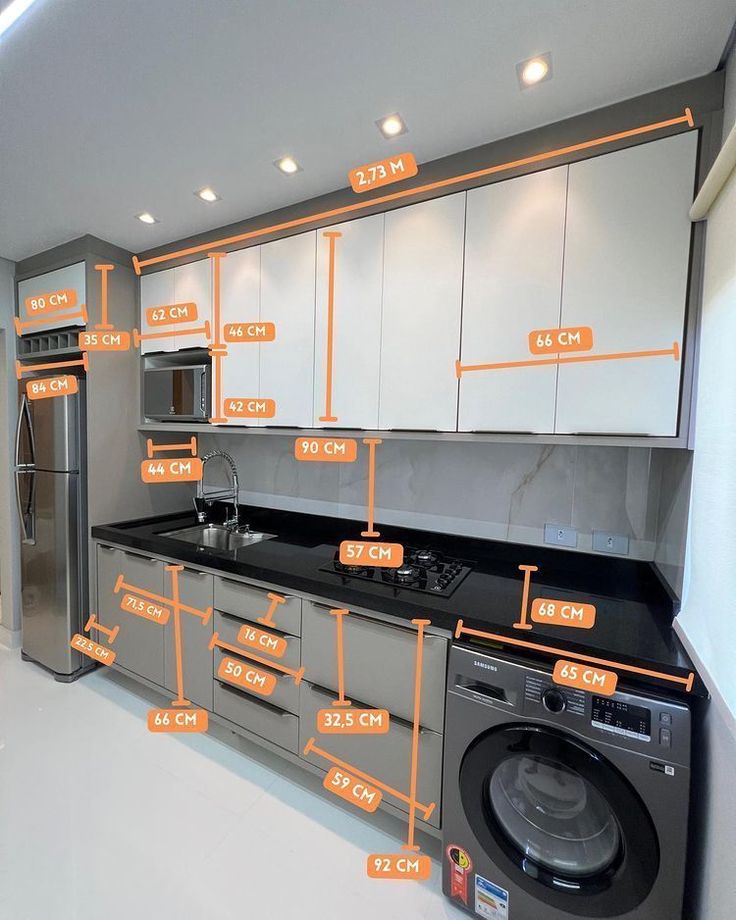
Living in an apartment often means working with a predetermined footprint. Unlike a sprawling suburban home, an apartment kitchen must be a masterclass in efficiency, where every inch serves a dual purpose. However, a smaller square footage doesn’t mean you have to sacrifice style or functionality.
Whether you are a renter looking to optimize your workflow or an owner planning a full renovation, choosing the right kitchen layout for apartments is the foundation of a comfortable home. In this guide, we will explore the best configurations to turn your compact cooking area into a high-performance culinary hub.
Top Kitchen Layouts for Compact Living
In apartment design, three specific layouts dominate the scene. Each offers unique advantages depending on the shape of your room and your lifestyle.
The One-Wall Kitchen (The Ultimate Space Saver)
Common in studio apartments and open-plan lofts, the one-wall kitchen places all cabinets and appliances along a single wall.
- Why it works: It keeps the rest of the floor plan open for dining and living areas.
- Pro Tip: To make this layout efficient, ensure the sink is positioned between the refrigerator and the stove to mimic a mini-work triangle.
The Galley Kitchen (The Chef’s Choice)
The galley consists of two parallel walls of cabinetry facing each other. It is a favorite among professional chefs because it minimizes the distance between key work zones.
- Why it works: It maximizes storage and countertop space on both sides.
- Pro Tip: If the galley feels too “closed in,” consider replacing some upper cabinets with open shelving to create a sense of airiness.
The L-Shaped Kitchen (The Social Hub)
The L-shape utilizes two perpendicular walls. It is perhaps the most versatile layout for apartments that share space with a living room.
- Why it works: It naturally opens up to the rest of the apartment, making it easy to talk to guests while cooking. It also provides a natural corner for a small dining table or a mobile kitchen cart.
Vertical Storage: The Secret to Apartment Efficiency
When floor space is limited, the only way to go is up. Verticality is the single most important factor in optimizing an apartment kitchen.
- Ceiling-Height Cabinets: If you are renovating, extend your cabinets all the way to the ceiling. Use the top shelves for seasonal items like holiday platters or large stockpots.
- Magnetic and Hanging Rails: Use the “backsplash” area. Magnetic knife strips and rails for hanging utensils or spices keep your limited countertop space clear for actual food preparation.
- Toe-Kick Drawers: In very tight spaces, the few inches between the bottom cabinets and the floor can be converted into shallow drawers for baking sheets or placemats.
Choosing “Small-But-Mighty” Appliances
In 2026, appliance manufacturers have perfected the “apartment-sized” range. You no longer have to compromise on power just because you have less width.
- 24-Inch Ranges: Standard stoves are 30 inches wide, but a 24-inch professional-grade range can save you 6 inches of precious counter space without losing cooking performance.
- Dishwasher Drawers: For a single occupant or a couple, a dishwasher drawer takes up half the space of a traditional unit and allows for cabinet storage underneath.
- Over-the-Range Microwaves: Combining your ventilation hood with your microwave is a classic space-saving move that keeps the microwave off your countertop.
Lighting and Visual Tricks for Smaller Kitchens
A kitchen layout for apartments isn’t just about where the stove goes; it’s about how the space feels. You can use design “illusions” to make a tiny kitchen feel twice its size.
- Reflective Surfaces: Use glossy cabinet finishes or a mirrored backsplash to bounce light around the room.
- Integrated Lighting: Under-cabinet LED strips are essential. They eliminate dark corners, making the entire countertop usable and safe for prep work.
- Consistent Flooring: If your kitchen flows into the living room, use the same flooring for both. A break in flooring material creates a visual “barrier” that makes the kitchen look like a tiny, separate box.
Portable Solutions for Renters
If you cannot change your layout because you are renting, look for “plug-and-play” additions that improve the flow.
- Rolling Kitchen Carts: A cart can act as a mobile island. Use it for extra prep space when cooking, and roll it against a wall when you need the floor space for walking.
- Over-the-Sink Cutting Boards: These expand your “counter” space by utilizing the empty air over the sink basin.
- Portable Induction Burners: If your stove is small, a single portable induction burner can be used on a dining table or cart for extra cooking capacity during holiday meals.
Frequently Asked Questions
What is the best kitchen layout for a very narrow apartment? The Galley layout is typically the best for narrow spaces. It provides the most countertop and storage surface area by utilizing both sides of the walk-path. Just ensure there is at least 3 feet of space between the two sides for comfortable movement.
Can I add an island to an apartment kitchen? A permanent island is usually too bulky for an apartment. However, a “Kitchen Peninsula” (an island attached to a wall) or a mobile butcher block cart provides the same benefits without permanently cramping the floor plan.
How do I hide clutter in an open-concept apartment kitchen? Prioritize “Appliance Garages”—cabinets with roll-up doors that hide your toaster and blender. Also, choosing integrated, panel-ready appliances that match your cabinetry helps the kitchen blend into the living area.
Is a one-wall kitchen bad for resale value? Not in the apartment market. Modern buyers appreciate the open-concept feel of a one-wall kitchen, especially if it is paired with high-quality finishes and smart storage solutions.
How much counter space do I really need? For an apartment, aim for at least one “landing zone” of 24 to 36 inches of continuous countertop for prep work. This is usually best placed between the sink and the stove.