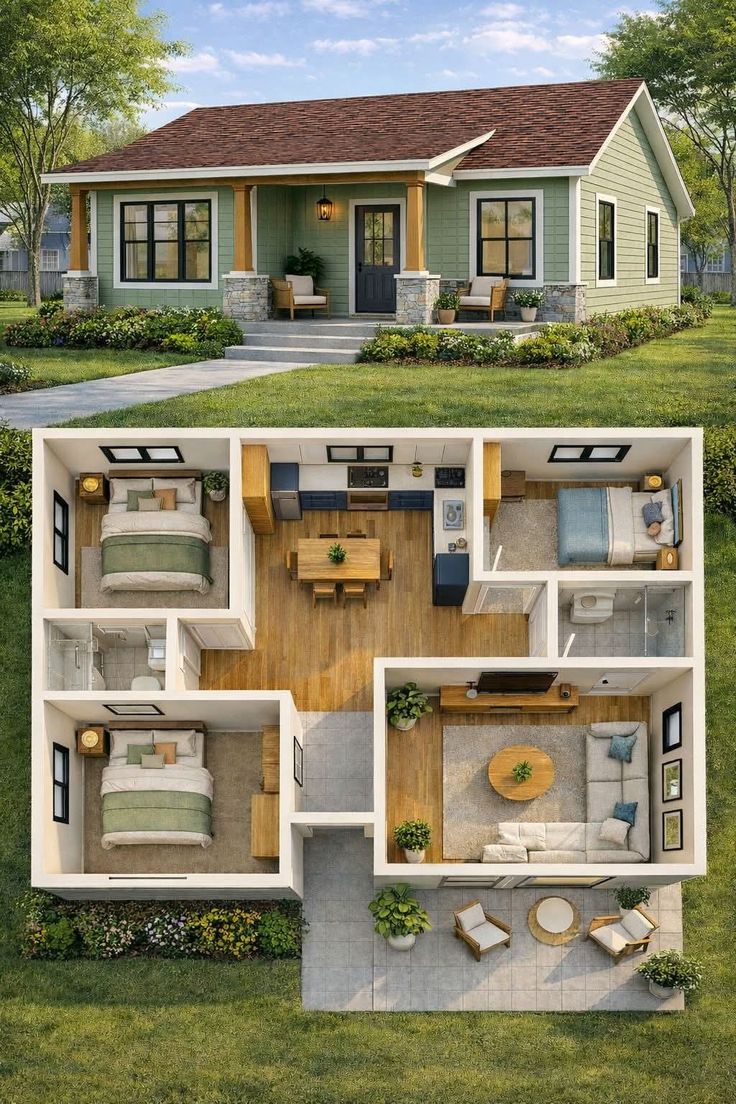
The kitchen is no longer just a place for meal preparation; in a modern home, it serves as a classroom, a home office, and the primary social hub. For families, the stakes are even higher. A kitchen needs to handle the morning breakfast rush, afternoon homework sessions, and evening entertaining all while remaining safe and organized.
Choosing the right kitchen layout for families is about balancing “traffic flow” with functionality. If you are planning a renovation, these expert-backed strategies will help you design a space that grows with your family.
Prioritizing the Open-Concept Flow
For families with children, visibility is the most important design factor. An open-concept layout allows parents to keep an eye on kids in the living or dining area while preparing meals.
The L-Shaped Layout with a Large Island
This is arguably the gold standard for family homes. The “L” configuration tucked into a corner keeps the main cooking zones out of the way of foot traffic. By adding a large central island, you create a natural boundary that separates the “work zone” from the “social zone.”
The U-Shaped Kitchen for Maximum Storage
If you have a large family and a lot of kitchen gear, the U-shaped layout provides the most cabinetry and countertop surface. To make this family-friendly, ensure the “mouth” of the U is wide enough (at least 5 feet) so multiple people can move past each other without a collision.
Creating Dedicated Zones for Different Activities
A successful family kitchen isn’t just one big room; it is a collection of “micro-zones” that prevent everyone from crowding the stove at the same time.
- The Homework and Craft Station: Extend your kitchen island or add a built-in desk at the end of a cabinet run. Ensure there are integrated power outlets for charging laptops and tablets.
- The Snack and Beverage Hub: Place the refrigerator and a dedicated snack drawer at the outer edge of the kitchen. This allows kids to grab a drink or a piece of fruit without walking through the “danger zone” where hot pans are being handled.
- The Cleaning Zone: Position the dishwasher and sink away from the main cooking surface. This allows one person to clear plates while another is still finishing the cooking process.
Safety-First Design Features
In a house with young children, safety is a non-negotiable part of the kitchen layout.
Rounded Corners and Soft Edges
Sharp countertop corners are at the perfect height for a toddler’s forehead. When designing your island, opt for rounded “bullnose” edges or clipped corners to minimize the risk of injury.
Induction Cooktops
Induction is the safest choice for families. Since the surface stays cool to the touch and only heats the cookware, the risk of accidental burns is significantly reduced. Additionally, there are no open flames or gas fumes to worry about.
Appliance Placement
In a family kitchen, avoid placing the wall oven or microwave in a high-traffic walkway. If possible, install the microwave at a “kid-friendly” height (under-counter) if you want older children to be self-sufficient, or keep it high if you have curious toddlers.
Durable Materials for High-Traffic Homes
A family kitchen needs to be “bulletproof.” Focus on materials that can withstand spills, dropped toys, and heavy use.
- Quartz Countertops: Unlike marble or granite, quartz is non-porous and resists stains from juice, wine, or markers. It never needs sealing, making it a low-maintenance dream for busy parents.
- Luxury Vinyl Plank (LVP) Flooring: It is 100% waterproof and highly scratch-resistant. LVP provides a softer landing for dropped dishes (and falling knees) than hard ceramic tile.
- Performance Fabrics: If your layout includes a breakfast nook or island stools, choose “performance” upholstery that can be wiped clean with a damp cloth.
Maximizing Storage for a Growing Family
Clutter is the enemy of a functional family kitchen. Use these storage solutions to keep the chaos at bay:
- Walk-in or Pull-out Pantry: A dedicated space for bulk snacks and dry goods is essential for large households.
- Deep Drawers for Pots and Pans: Swap lower cabinets for deep drawers. They are easier for both adults and children to access and organize.
- The “Drop Zone” Mudroom: If your kitchen is near the entry, incorporate a small bench or set of hooks for backpacks and shoes to prevent them from ending up on the kitchen counter.
Frequently Asked Questions
What is the best kitchen layout for a family with young children? The L-shape with a central island is generally the best. It provides a clear “safety barrier” (the island) between the cooking area and the children’s play or seating area.
How wide should the walkways be in a family kitchen? Standard walkways are 36 inches, but for a family kitchen, aim for 42 to 48 inches. This allows two people to pass each other comfortably, even if a dishwasher or oven door is open.
Are open shelves a good idea for families? Open shelves look great in photos, but they can be a challenge for families as they require constant organization and attract dust/grease. High-access shelves are fine for daily plates, but closed cabinetry is usually better for hiding the visual clutter of mismatched kid-friendly dishes.
How can I make my kitchen island more kid-friendly? Ensure the stools are sturdy and have backs to prevent tips. Adding a “prep sink” to the island also allows kids to wash their hands or help wash vegetables without getting in the cook’s way.
Which flooring is best for a family kitchen? Luxury Vinyl Plank (LVP) or Porcelain Tile are the top contenders. LVP is warmer and more slip-resistant, while Porcelain is nearly indestructible but can be very cold and hard.