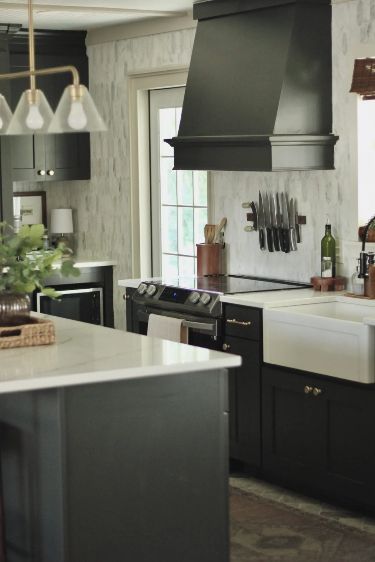
Designing a kitchen is an exciting journey, but it is also one of the most expensive and complex home improvement projects you will ever undertake. Because the kitchen is a high-traffic area involving plumbing, electricity, and heavy appliances, even a small oversight can lead to years of frustration.
Many homeowners focus so much on the “look” of the kitchen that they forget about the “flow.” To ensure your investment stands the test of time, you need to be aware of common pitfalls. Here is a comprehensive guide to the most critical kitchen design mistakes to avoid for a functional and beautiful home.
Ignoring the Workflow and the Work Triangle
The most common mistake in kitchen design is failing to prioritize ergonomics. Historically, designers used the “Work Triangle”—the distance between the sink, stove, and refrigerator to ensure efficiency.
- The Mistake: Placing the refrigerator too far from the prep area or putting an island in the direct path between the stove and the sink.
- The Solution: Ensure that the path between these three points is unobstructed. In larger 2026 kitchens, think in “Work Zones” (Prep, Cook, Clean) to ensure that multiple people can work in the kitchen without bumping into each other.
Insufficient Countertop Space
Many people underestimate how much flat surface area they actually need. Between small appliances, drying racks, and actual food preparation, countertop space disappears quickly.
- The Mistake: Not leaving enough room on both sides of the stove or the refrigerator. These are “landing zones” where you place hot pans or heavy grocery bags.
- The Solution: Plan for at least 15 to 24 inches of countertop space on either side of your primary appliances. If your kitchen is small, consider an over-the-sink cutting board to “create” extra workspace.
Poor Lighting Choices
A single light fixture in the middle of the ceiling is a recipe for shadows and accidents. Lighting is often an afterthought, but it is essential for a safe cooking environment.
- The Mistake: Relying solely on overhead ambient lighting, which usually results in you standing in your own shadow while chopping vegetables at the counter.
- The Solution: Use a “layered” lighting approach. Combine recessed ceiling lights with under-cabinet LED strips for task lighting and pendant lights over the island for aesthetic appeal.
Neglecting Vertical Storage and Cabinet Functionality
In a kitchen, storage is everything. However, not all storage is created equal. Deep lower cabinets with basic shelves often become “black holes” where items are lost and forgotten.
- The Mistake: Installing standard cupboards instead of drawers for base cabinets, and leaving the space above upper cabinets empty to collect dust.
- The Solution: Opt for deep pull-out drawers for lower cabinets; they are much easier on your back and keep everything visible. Extend your upper cabinets to the ceiling to maximize storage and create a sleeker, more modern look.
Inadequate Ventilation
No one wants their living room to smell like fried fish for three days. Proper ventilation is vital for maintaining air quality and preventing grease from settling on your furniture.
- The Mistake: Choosing a range hood that is too small for your stove or selecting a “recirculating” fan that doesn’t actually vent the air outside.
- The Solution: Invest in a high-quality range hood that is at least as wide as your cooktop. If possible, ensure it vents to the exterior of the house to effectively remove heat, steam, and odors.
Forgetting About the “Small” Details: Outlets and Trash
Sometimes, the biggest headaches come from the smallest omissions.
- The Mistake: Not having enough electrical outlets where you need them most, or leaving the trash can to sit out in the open.
- The Solution: Plan for outlets every few feet along the backsplash and include “hidden” outlets on the kitchen island. For the trash, always include a dedicated pull-out cabinet for waste and recycling to keep the kitchen looking clean and smelling fresh.
Choosing Aesthetics Over Durability
It is easy to fall in love with a high-maintenance material because it looks great in a magazine, but the kitchen is a workroom, not a museum.
- The Mistake: Using porous stones like white marble without understanding they stain easily, or choosing high-gloss cabinets that show every fingerprint.
- The Solution: Choose materials that fit your lifestyle. If you have a busy family, quartz countertops and matte-finish cabinets are often more durable and easier to maintain than their high-maintenance counterparts.
Frequently Asked Questions
What is the number one mistake in kitchen remodeling? The most frequent mistake is rushing the planning phase. Homeowners often start buying appliances or choosing tiles before they have finalized the layout, leading to compatibility issues and wasted money.
How much space should be between a kitchen island and the cabinets? You should aim for a minimum of 36 to 42 inches of “clearance” or walking space. If you have a high-traffic kitchen or multiple cooks, 48 inches is ideal to allow doors to open fully while people walk past.
Can I put a stove next to a refrigerator? It is not recommended. The heat from the stove can make the refrigerator work harder to stay cool, which increases energy consumption and can shorten the appliance’s lifespan. Try to have at least a small cabinet between them.
Why is my kitchen so dark even with new lights? This is often due to a lack of task lighting. Overhead lights don’t reach the countertops under the cabinets. Adding under-cabinet LED strips is the most effective way to brighten your workspace.
Is it worth it to move plumbing and gas lines? Only if it significantly improves the layout. Moving these lines is one of the most expensive parts of a remodel. If your current “Work Triangle” is functional, try to keep the appliances where they are to save on labor costs.