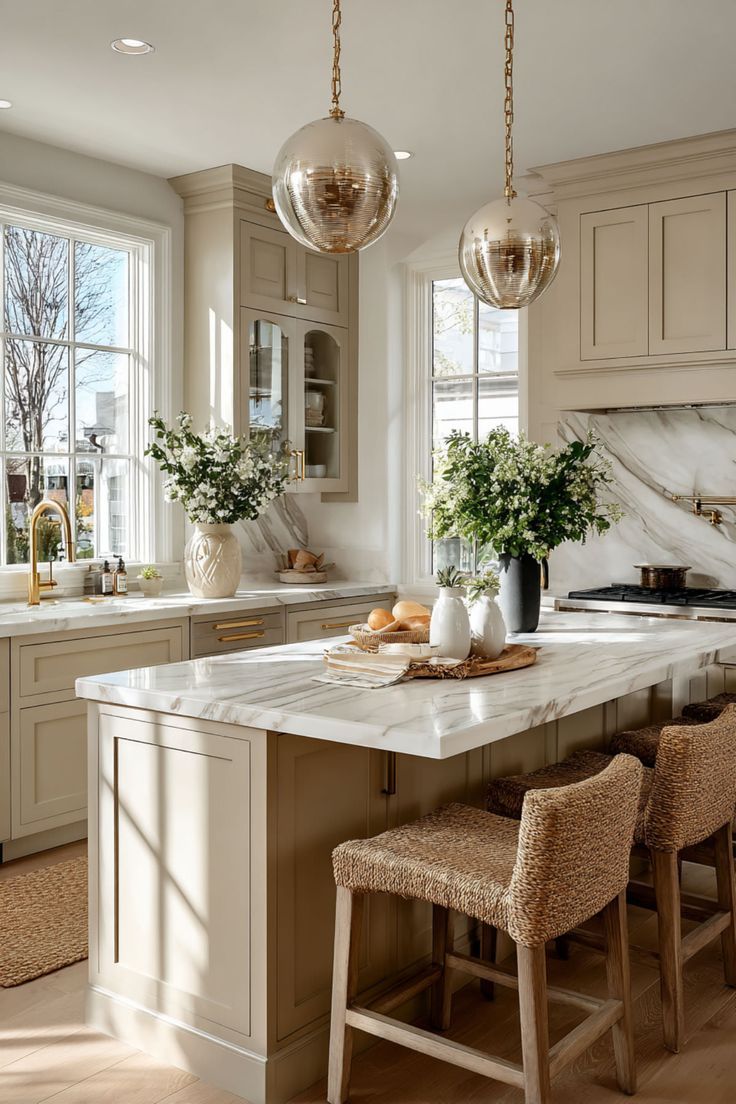
When planning a kitchen remodel, your cabinets are arguably the most significant investment you will make. They occupy the most visual space and endure the most physical wear and tear. However, with so many options available, choosing between natural wood, engineered materials, and modern synthetics can be overwhelming.
This kitchen cabinet material guide breaks down the pros, cons, and best use cases for the most popular materials on the market today, helping you make a choice that balances durability, budget, and style.
Solid Wood: The Timeless Classic
Solid wood has been the gold standard for cabinetry for centuries. It is prized for its natural beauty, strength, and ability to be refinished over time.
Popular Wood Species
- Oak: Known for its prominent grain and extreme durability. It is a staple for traditional and farmhouse styles.
- Maple: A versatile wood with a smooth, fine grain. It takes paint and stains exceptionally well.
- Cherry: Famous for its rich, reddish-brown hues that darken with age. It adds a luxury feel to any space.
Pros and Cons
Solid wood is incredibly sturdy and can be sanded down and repainted if you want to change your style later. However, it is susceptible to “expansion and contraction” due to humidity changes, which can lead to warping or cracks in the joints over time. It is also generally the most expensive option.
MDF (Medium-Density Fiberboard): The Smooth Performer
If you are dreaming of a perfectly smooth, painted kitchen, MDF is often the superior choice over solid wood. MDF is an engineered wood product made by breaking down hardwood or softwood residuals into wood fibers and combining them with wax and a resin binder.
Why Designers Love MDF
Because it is engineered, MDF is incredibly stable. It doesn’t have a grain, which means the surface is perfectly flat—ideal for high-end painted finishes. It won’t warp or expand like natural wood, making it a reliable choice for humid environments.
The Trade-off
While MDF is excellent for doors and panels, it isn’t as strong as solid wood for holding heavy screws over a long period. It is also difficult to repair if it sustains deep water damage or significant chips.
Plywood: The Structural Powerhouse
In high-quality cabinetry, you will often find that while the doors are made of wood or MDF, the “cabinet boxes” (the skeleton) are made of plywood.
Plywood is made by layering thin sheets of wood veneer glued together in alternating directions. This “cross-grain” construction makes it incredibly strong and resistant to moisture. For many experts, plywood is the preferred material for the cabinet’s structural frame because it holds weight better than almost any other material.
Laminate and Thermofoil: Durable and Budget-Friendly
For those looking for modern aesthetics and easy maintenance, synthetic finishes like laminate and thermofoil are excellent contenders.
Laminate
Laminate consists of layers of paper and resin fused together under high pressure. It is available in thousands of colors and even textures that mimic wood grain. It is highly resistant to scratches and stains, making it perfect for busy families.
Thermofoil
Thermofoil is a plastic (PVC) film that is vacuum-pressed over an MDF core. This creates a seamless surface that is very easy to wipe down. While it is affordable and looks great, thermofoil can be sensitive to high heat (such as a toaster or oven), so heat shields are often required during installation.
Stainless Steel: The Professional’s Choice
Once reserved for commercial kitchens, stainless steel cabinetry is making its way into residential homes, particularly in “Industrial” or “Ultra-Modern” designs.
- Durability: It is completely waterproof, heatproof, and chemical-resistant.
- Hygiene: Because it is non-porous, it doesn’t harbor bacteria, making it the most hygienic option.
- Aesthetic: It provides a sleek, reflective surface that can make a kitchen feel like a high-end laboratory or a professional chef’s station.
Which Material Should You Choose?
The “best” material depends on your priorities:
- For Longevity: Solid wood or high-quality plywood.
- For a Flawless Painted Finish: MDF.
- For Ease of Cleaning: Laminate or Stainless Steel.
- For Modern Minimalism: Thermofoil or Metal.
Frequently Asked Questions
What is the most durable material for kitchen cabinets? Plywood is generally considered the most durable for cabinet boxes, while solid hardwoods like maple or oak are the most durable for doors and frames.
Is MDF cheaper than solid wood? Yes, MDF is typically more affordable than solid wood. It is a cost-effective way to get a high-end look, especially if you plan on painting your cabinets.
Can I paint laminate cabinets? It is possible, but it requires a specialized primer designed to bond with non-porous surfaces. Standard paint will peel off laminate easily without the right preparation.
What is the difference between framed and frameless cabinets? Framed cabinets have a “face frame” around the front of the cabinet box, common in traditional American styles. Frameless (or European style) cabinets rely on the thickness of the cabinet box for stability and offer a sleeker, more accessible storage space.
How do I prevent my wood cabinets from warping? Maintain a consistent humidity level in your home (ideally between 35% and 50%). Use a vent hood while cooking to remove steam and moisture from the air, which can damage wood fibers over time.