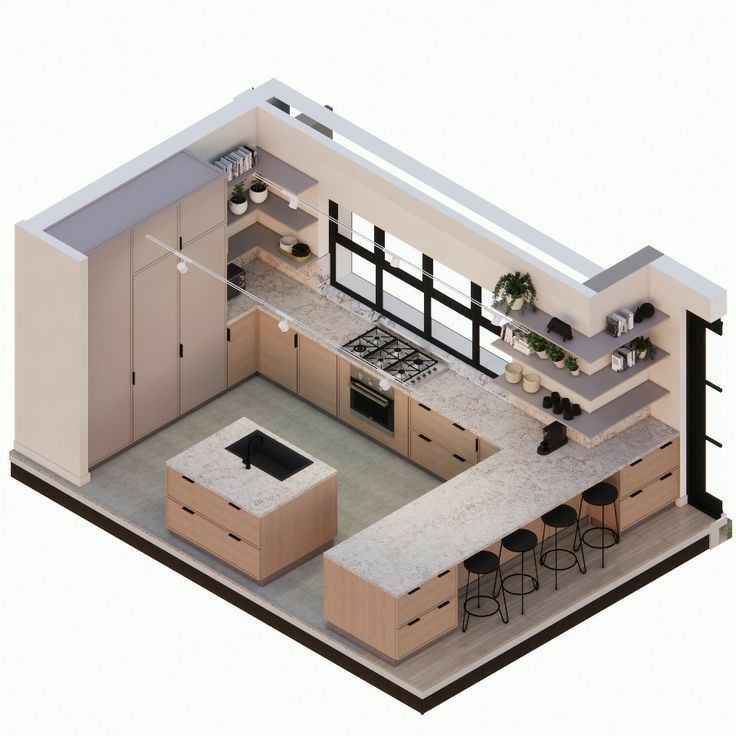
The kitchen is the heart of the home, but it is also the most plumbing-intensive room in the house. From the faucet and dishwasher to the refrigerator’s ice maker and the garbage disposal, water is constantly moving in, out, and around your kitchen.
Understanding kitchen plumbing basics for homeowners is not just about being handy; it’s about preventing costly water damage, extending the life of your appliances, and knowing exactly when to call a professional. This guide will walk you through the essential components of your kitchen’s water system and how to maintain them.
Anatomy of a Kitchen Sink System
To understand your kitchen’s plumbing, you have to look under the sink. This is where most of the magic—and most of the problems—happen.
Supply Lines and Shut-off Valves
Water enters your kitchen through two small pipes: one for hot and one for cold. Each of these should have a dedicated shut-off valve (often called “angle stops”). These are the most important parts for any homeowner to locate. If a pipe bursts or a faucet leaks, turning these valves clockwise will stop the water flow immediately.
The P-Trap
Have you ever noticed the U-shaped pipe under your sink? That is called the P-Trap. Its job is to hold a small amount of water at all times. This water acts as a seal, preventing foul-smelling sewer gases from entering your kitchen through the drain. If your kitchen smells like a sewer, the P-trap might be dry or leaking.
Managing the Garbage Disposal
The garbage disposal is perhaps the most misunderstood appliance in the kitchen. Many homeowners treat it like a trash can, which leads to clogs and motor failure.
- What Not to Grind: Avoid putting fibrous vegetables (like celery or corn husks), coffee grounds, eggshells, and—most importantly—fats, oils, and grease (FOG) down the disposal. These items can dull the blades or create “fatbergs” in your pipes.
- The Cold Water Rule: Always run cold water while the disposal is on and for about 30 seconds after you turn it off. Cold water keeps any fats solid so they can be ground up and flushed away, rather than melting and coating the pipes.
Dishwasher and Appliance Connections
The dishwasher is usually connected to the sink’s plumbing in two places: the hot water supply line and the drain line.
The High Loop
A critical but often overlooked part of dishwasher plumbing is the “High Loop.” This is when the drain hose is looped up and secured to the underside of the countertop before connecting to the sink drain or disposal. This prevents dirty sink water from siphoning back into your clean dishwasher.
The Ice Maker Line
Modern refrigerators with water dispensers and ice makers require a small plastic or braided metal water line. These lines are under constant pressure and are a common source of slow, hidden leaks behind the fridge. It is wise to inspect this line once a year for any signs of brittleness or moisture.
Common Kitchen Plumbing Issues and Prevention
Most kitchen plumbing emergencies can be avoided with a little bit of preventive care.
- FOG (Fats, Oils, and Grease): Never pour grease down the drain. Even with hot water and soap, grease will eventually cool and harden, causing massive blockages deep in your plumbing system.
- Leaking Faucets: A dripping faucet can waste hundreds of gallons of water a year. Usually, this is caused by a worn-out washer or O-ring, which is a simple and inexpensive DIY fix.
- Slow Drains: If your sink is draining slowly, avoid using harsh chemical cleaners. These can corrode your pipes over time. Instead, try a mixture of baking soda and vinegar followed by boiling water, or use a manual sink snake.
When to Call a Licensed Plumber
While many minor issues can be handled with a wrench and some patience, certain situations require professional expertise.
- Moving Gas Lines: If you are switching from an electric to a gas stove, never attempt to move or install gas lines yourself.
- Hidden Leaks: If you see mold or warped cabinets but cannot find the source of the water, a plumber with leak detection equipment is necessary.
- Major Backups: If water is backing up into your sink when you run the dishwasher or laundry machine, you may have a blockage in your main sewer line.
Frequently Asked Questions
Why is my kitchen sink gurgling? Gurgling usually indicates a venting issue. Your plumbing needs air to move water smoothly. If the vent pipe on your roof is blocked or your drain is partially clogged, air bubbles will force their way through the trap, causing that gurgling sound.
How do I stop my garbage disposal from smelling? Grind up a few ice cubes and some lemon peels. The ice helps knock off food debris from the blades, while the lemon provides a natural deodorizer.
What is the average lifespan of a kitchen faucet? Most high-quality kitchen faucets last between 15 and 20 years. If your faucet is constantly leaking or has significant mineral buildup that restricts flow, it might be more cost-effective to replace it than to repair it.
Can I use Drano in my kitchen sink? It is generally discouraged. Chemical drain cleaners are caustic and can damage older metal pipes or soften PVC. They are also hazardous to the environment and to plumbers who might have to work on the pipes later.
How do I know if my shut-off valves are working? Give them a gentle turn once or twice a year to ensure they haven’t “seized” due to mineral buildup. If they are hard to turn, do not force them; they may need to be replaced.