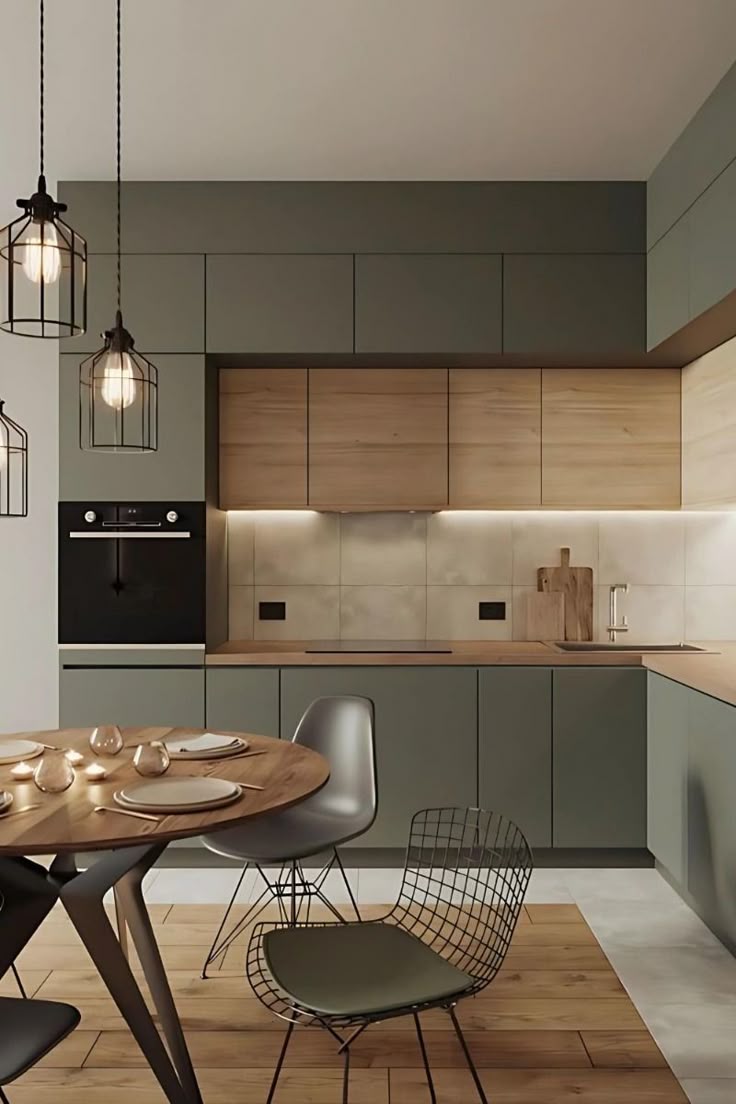
Designing a kitchen is one of the most exciting yet daunting home improvement projects you can undertake. Since it is the most used room in the house, the stakes are high. A great kitchen isn’t just about picking out trendy tiles or high-end appliances; it’s about creating an efficient flow that makes cooking and socializing a breeze.
If you are wondering how to design a kitchen that stands the test of time, this comprehensive guide will walk you through the essential steps, from the initial layout to the finishing touches.
Master the Kitchen Work Triangle
The “Work Triangle” is a classic design principle that remains relevant in 2026. It focuses on the three most frequent points of contact in your kitchen: the sink, the stove, and the refrigerator.
For maximum efficiency, these three elements should be arranged in a triangular shape. The goal is to keep the distance between them comfortable—not too cramped, but not so far apart that you’re walking laps across the room just to make a sandwich. A well-planned triangle minimizes traffic interference and streamlines your cooking process.
Choose the Right Layout for Your Space
Your floor plan is the skeleton of your design. Depending on your room’s dimensions, you’ll likely fall into one of these four popular categories:
The Galley Kitchen
Ideal for small spaces, this layout features two parallel walls of cabinets. It’s highly efficient for cooking but can feel narrow if multiple people are in the kitchen at once.
The L-Shape Kitchen
One of the most versatile designs, the L-shape uses two perpendicular walls. It’s perfect for open-plan living as it naturally opens up to a dining or living area.
The U-Shape Kitchen
If you have plenty of space and love to cook, the U-shape offers the most counter space and storage. It surrounds the cook on three sides, keeping everything within arm’s reach.
The Island Kitchen
Adding an island is the ultimate way to create a social hub. It provides extra prep space, a spot for casual dining, and often houses a second sink or a wine fridge.
Prioritize Smart Storage Solutions
When learning how to design a kitchen, never underestimate the power of cabinetry. Storage can make or break your kitchen’s usability.
Instead of standard deep base cabinets where items get lost, opt for deep drawers. Drawers allow you to see everything from above, making it much easier to access heavy pots and pans. Additionally, consider specialized storage like pull-out spice racks, corner “Lazy Susans,” and dedicated trash/recycling pull-outs to keep clutter off the floor.
Balance Aesthetics with Durable Materials
Your kitchen surfaces take a lot of heat and spills. Choosing the right materials is a balance between your personal style and your lifestyle.
- Countertops: Quartz remains a top choice for its durability and low maintenance. If you want a more natural look, granite or marble are beautiful but require regular sealing.
- Flooring: Look for water-resistant materials. Luxury Vinyl Plank (LVP) or porcelain tiles are excellent choices because they can handle dropped pans and spilled liquids without warping or staining.
- Backsplash: This is where you can let your personality shine. Whether you prefer classic subway tiles or a bold slab of stone, the backsplash is the “jewelry” of your kitchen.
Don’t Forget the Lighting and Ventilation
A beautiful kitchen is useless if you can’t see what you’re chopping or if the room is filled with smoke.
Layered Lighting
You need three types of light: Ambient (general ceiling light), Task (bright lights over the stove and sink), and Accent (decorative lights over the island or inside glass cabinets).
High-Quality Ventilation
Invest in a high-quality range hood. It’s not just about smells; a good vent removes grease and moisture from the air, protecting your new cabinets and paint from damage over time.
Plan for Enough Outlets and Tech
In the modern home, the kitchen is often a charging station and a home office too. Ensure you plan for more outlets than you think you’ll need. Consider “pop-up” outlets on islands or under-cabinet power strips to keep your backsplash looking clean and uninterrupted by sockets.
Frequently Asked Questions
What is the most expensive part of a kitchen design? Generally, cabinetry is the most significant expense, often making up 30% to 50% of the total budget. Following cabinets are appliances and countertops.
How do I start the kitchen design process? Start by making a list of “must-haves” and “nice-to-haves.” Measure your space accurately and look for inspiration online to define your style before meeting with a contractor or designer.
What is a realistic timeline for a kitchen remodel? A full kitchen renovation typically takes between 6 to 12 weeks of construction time, though the planning and ordering phase can take several months before the first hammer is swung.
How can I make a small kitchen feel bigger? Use a light color palette, incorporate open shelving, and maximize natural light. Mirrored backsplashes or glossy cabinet finishes can also help bounce light around the room.
Should I follow trends when designing my kitchen? While trends are fun, it’s better to stick to classic choices for expensive elements like cabinets and flooring. Use smaller, easily replaceable items like hardware, lighting, and paint to experiment with current trends.