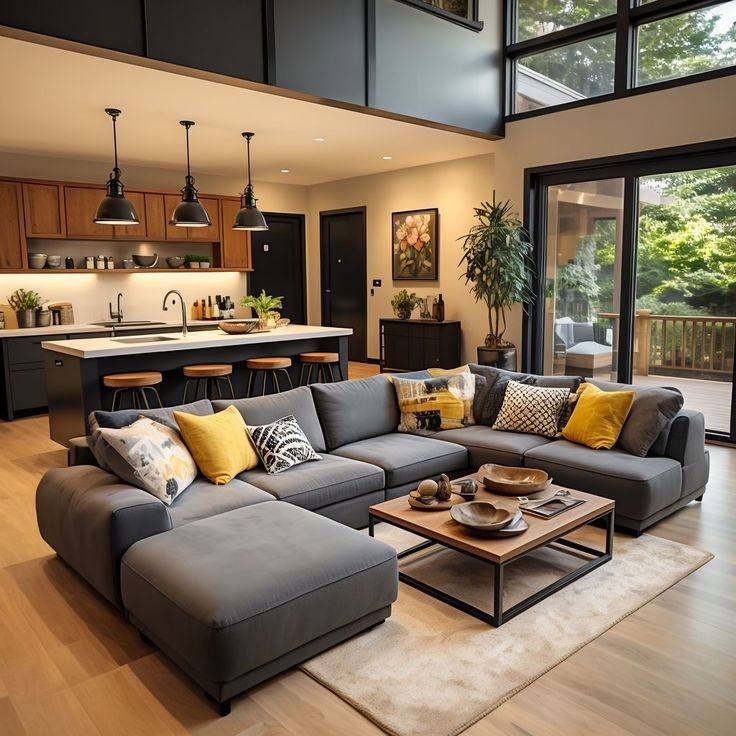
In the world of modern architecture, the walls are coming down. The traditional, isolated kitchen is a thing of the past, replaced by the airy, social, and versatile open-plan layout. An open concept kitchen merges the cooking area with the dining or living room, creating a “great room” that serves as the true heart of the home.
Whether you are remodeling an older house or planning a new build, these open concept kitchen design ideas will help you create a space that feels expansive yet intimate, and stylish yet functional.
The Benefits of an Open Concept Layout
Before diving into the aesthetics, it is important to understand why this layout has become a staple of contemporary living.
- Enhanced Social Interaction: The cook is no longer “trapped” in a separate room. You can chat with guests or keep an eye on the kids while preparing dinner.
- Increased Natural Light: By removing interior walls, light from living room windows can flood into the kitchen, making the entire home feel brighter.
- Better Flow for Entertaining: An open layout creates a seamless transition for guests to move between the hors d’oeuvres at the island and the seating in the lounge.
Creating Defined Zones Without Walls
One of the biggest challenges in open-plan living is making a large space feel organized rather than chaotic. You need to create “invisible boundaries.”
Using the Kitchen Island as a Border
The island is the most effective tool for defining the kitchen’s footprint. It acts as a physical barrier between the “work zone” and the “relaxation zone” without blocking the view. To enhance this, consider a “waterfall” countertop that extends down the sides to create a strong visual anchor.
Strategic Furniture Placement
The back of a sofa can act as a subtle wall, separating the living area from the dining space. Rugs are also essential; a large area rug in the living zone and a different texture in the dining area help the brain recognize them as distinct “rooms.”
Lighting Transitions
Use different lighting fixtures to define each area. For example, use sleek recessed lighting for the general kitchen space, elegant pendants over the island, and a dramatic chandelier over the dining table.
Maintaining Visual Cohesion
Since the kitchen is now visible from the couch, the design must complement the rest of the house. You don’t want your kitchen to “clash” with your living room decor.
- Color Palette: Stick to a consistent color story. If your living room features earthy tones, carry those into your kitchen cabinetry or backsplash.
- Materials: Try to match or complement the flooring throughout the entire open space. Continuous hardwood or luxury vinyl plank (LVP) creates a seamless flow that makes the home look larger.
- Appliance Integration: In an open concept, bulky appliances can be distracting. Consider “panel-ready” appliances that blend in with your cabinetry for a sleek, furniture-like appearance.
Managing the Practical Challenges: Noise and Smells
Open concept living isn’t without its hurdles. Without walls to contain them, cooking smells and the sound of the dishwasher can travel throughout the house.
High-Power Ventilation
Invest in a high-quality, quiet range hood with a high CFM (cubic feet per minute) rating. This is non-negotiable in an open layout to prevent the smell of seared salmon from lingering on your sofa cushions.
Quiet Appliances
When shopping for a dishwasher or refrigerator, look for the decibel (dB) rating. Modern “ultra-quiet” appliances are specifically designed for open-plan homes so you can watch a movie in the living room while the dishwasher is running just a few feet away.
Storage Solutions for a Clutter-Free View
In a traditional kitchen, you can close the door on a mess. In an open concept, the mess is always on display.
- Hidden Pantries: A “walk-in” or “butler’s pantry” allows you to hide small appliances, cereal boxes, and prep mess behind a closed door.
- Deep Drawers: Opt for deep drawers instead of lower cabinets to keep countertops clear.
- The Appliance Garage: This is a dedicated cabinet at counter level where you can hide your toaster, blender, and coffee maker when they aren’t in use.
Frequently Asked Questions
Does an open concept kitchen decrease home value? Quite the opposite. Currently, open concept layouts are one of the most requested features by home buyers and typically increase the resale value and marketability of a home.
How do I handle the flooring transition in an open concept? The most modern approach is to use the same flooring throughout the entire space. If you must switch (e.g., from tile in the kitchen to wood in the living room), use a “flush transition” strip to avoid a tripping hazard and maintain a clean look.
Is an open concept kitchen harder to keep clean? It doesn’t necessarily get dirtier, but the mess is more visible. Because there are no walls to hide dirty dishes, many open-concept owners find they are more motivated to clean as they go.
What is the best way to reduce noise in an open-plan area? Incorporate soft surfaces to absorb sound. Rugs, heavy curtains, upholstered bar stools, and even acoustic wall art can help dampen the “echo” effect of a large open room.
Can I convert a closed kitchen into an open concept? In most cases, yes, but you must consult a structural engineer first. If the wall you want to remove is “load-bearing,” you will need to install a support beam to hold up the weight of the roof or the second floor.