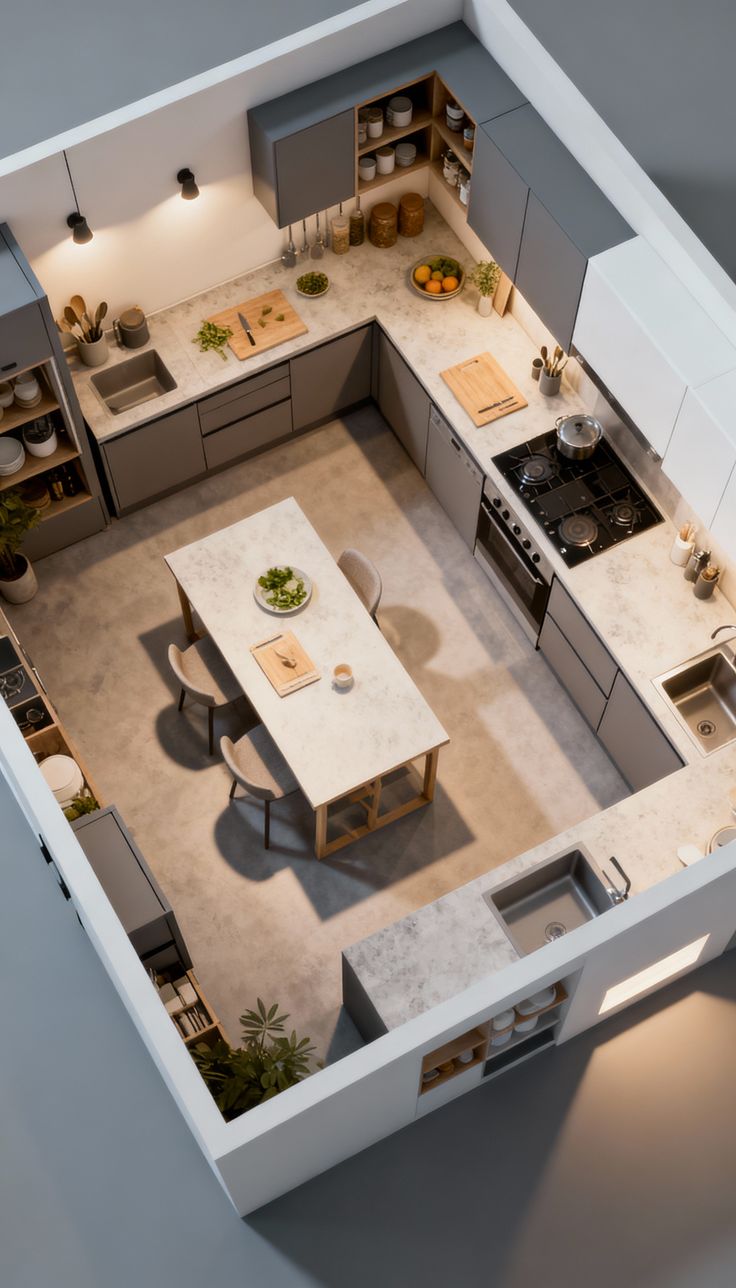
Starting a kitchen renovation or designing one from scratch can feel like a daunting task. With so many choices in cabinetry, appliances, and layouts, it is easy for a newcomer to feel overwhelmed. However, at its core, great kitchen design is simply a combination of logical planning and personal style.
If you are new to the world of home improvement, this guide to kitchen design for beginners will break down the essential steps to creating a space that is beautiful, functional, and budget-friendly.
Understand the Functional Core: The Work Triangle
The most important rule in kitchen design is efficiency. You want to minimize the number of steps you take while cooking. Professional designers use a concept called the “Work Triangle” to achieve this.
The triangle connects the three most used areas of the kitchen:
- The Sink (Cleaning)
- The Stove (Cooking)
- The Refrigerator (Storage)
For a comfortable flow, the sum of the three sides of the triangle should be between 10 and 26 feet. If the triangle is too small, the kitchen feels cramped; if it is too large, cooking becomes an exhausting workout.
Choosing the Right Layout for Your Space
Before you look at paint colors, you need to decide on a floor plan. Your layout is usually determined by the shape of your room.
- The One-Wall Layout: Perfect for small apartments, keeping everything in a single line.
- The Galley Kitchen: Features two parallel walls. It is highly efficient for cooking but can feel narrow.
- The L-Shape: Uses two perpendicular walls. It’s the most popular choice because it easily accommodates a dining table or an island.
- The U-Shape: Surrounds the cook on three sides with countertops and storage, providing maximum workspace.
Essential Components: Cabinets, Counters, and Floors
Once you have a layout, it is time to choose the materials. For beginners, the best advice is to balance durability with aesthetics.
Cabinetry Basics
Cabinets take up the most visual space. “Stock” cabinets are pre-made and affordable, while “Custom” cabinets are built to fit your room perfectly. For a timeless look, many beginners choose Shaker-style doors because they fit both modern and traditional homes.
Countertop Selection
Your countertop is your primary work surface.
- Quartz is highly recommended for beginners because it is non-porous and virtually maintenance-free.
- Laminate is the most budget-friendly option.
- Granite offers natural beauty but requires periodic sealing.
Durable Flooring
Kitchen floors must handle spills and heavy foot traffic. Porcelain tile is nearly indestructible, while Luxury Vinyl Plank (LVP) is waterproof, affordable, and easy for DIY enthusiasts to install.
Lighting the Way: A Layered Approach
One of the biggest mistakes beginners make is relying on a single light in the middle of the ceiling. For a functional kitchen, you need layers:
- Ambient Lighting: General light from the ceiling to see where you are going.
- Task Lighting: Bright lights placed under cabinets to illuminate your workspace while you chop vegetables.
- Accent Lighting: Decorative lights, such as pendants over an island, that add personality and “jewelry” to the room.
Budgeting for Your First Kitchen Project
A kitchen is a major investment. To keep your budget under control, follow these three tips:
- Keep the Plumbing Where It Is: Moving a sink or a gas line can cost thousands. Keeping the original layout saves a significant amount of money.
- Prioritize Quality Over Luxury: Invest in high-quality cabinets and appliances, but save money on decorative items like backsplashes or hardware that can be easily upgraded later.
- Save 10% for Emergencies: Hidden issues, like old wiring or leaky pipes, often appear once you open the walls.
Frequently Asked Questions
How much does a basic kitchen remodel cost? The cost varies wildly based on your location and the quality of materials. A minor “refresh” (painting and new hardware) might cost a few thousand dollars, while a full beginner-level renovation typically starts around $15,000 to $25,000.
What is the best color for a small kitchen? Light colors like white, cream, or light grey reflect more light, making a small kitchen feel much larger and more open.
Which appliance should I buy first? Always choose your appliances before finalizing your cabinet measurements. A “standard” refrigerator or stove can vary in size by an inch or two, and you don’t want to find out after the cabinets are installed that your fridge doesn’t fit!
Should I DIY my kitchen or hire a pro? Beginners can handle tasks like painting, installing a backsplash, or laying LVP flooring. However, you should always hire a professional for electrical, plumbing, and gas work to ensure your home stays safe and up to code.
How long does it take to design and build a kitchen? Planning usually takes 2 to 4 weeks, while the actual construction can take anywhere from 4 to 12 weeks depending on the complexity of the project.