A kitchen renovation is one of the most rewarding home improvement projects you can undertake. It not only increases your property value but also significantly improves your daily quality of life. However, without a solid roadmap, the process can quickly become overwhelming, expensive, and time-consuming.
Success lies in the details. This kitchen renovation planning guide will walk you through every critical stage of the process, ensuring your project stays on track, within budget, and results in the kitchen of your dreams.
Define Your Goals and Lifestyle Needs
Before looking at paint swatches or luxury appliances, you must define the “why” behind your renovation. A beautiful kitchen that doesn’t function for your specific needs is a wasted investment.
- Assess Your Current Space: What drives you crazy about your current kitchen? Is there a lack of counter space? Is the lighting poor?
- Determine the Primary Use: Are you a gourmet home cook who needs a professional-grade range? Or is your kitchen a social hub where the kids do homework while you prep quick meals?
- Think Long-Term: If you plan to stay in your home for ten years or more, design for your personal taste. If you plan to sell soon, stick to neutral, high-appeal designs.
Setting a Realistic Budget
Budgeting is the most crucial part of any kitchen renovation planning guide. A common rule of thumb is to spend between 10% and 15% of your home’s total value on a kitchen remodel.
Where the Money Goes
Typically, your budget will be distributed as follows:
- Cabinets: 30% to 40%
- Appliances: 15% to 20%
- Countertops: 10% to 15%
- Labor and Installation: 20% to 25%
The 20% Contingency Fund
Always set aside an extra 20% of your total budget for “hidden” surprises. Once the walls come down, you might find outdated wiring, leaky pipes, or uneven subfloors that need immediate attention.
Designing the Layout and Flow
The layout is the “bones” of your kitchen. Even with the most expensive finishes, a poor layout will make cooking frustrating.
- The Work Triangle: Ensure the path between your sink, stove, and refrigerator is clear and efficient.
- Traffic Patterns: If your kitchen is a thoroughfare to the backyard or laundry room, ensure the “cook’s zone” isn’t being constantly interrupted by foot traffic.
- Clearance: Make sure there is enough room for cabinet doors and appliances to open fully without hitting an island or another person.
Selecting Materials and Finishes
This is the phase where your kitchen starts to take on its personality. You’ll need to make decisions on:
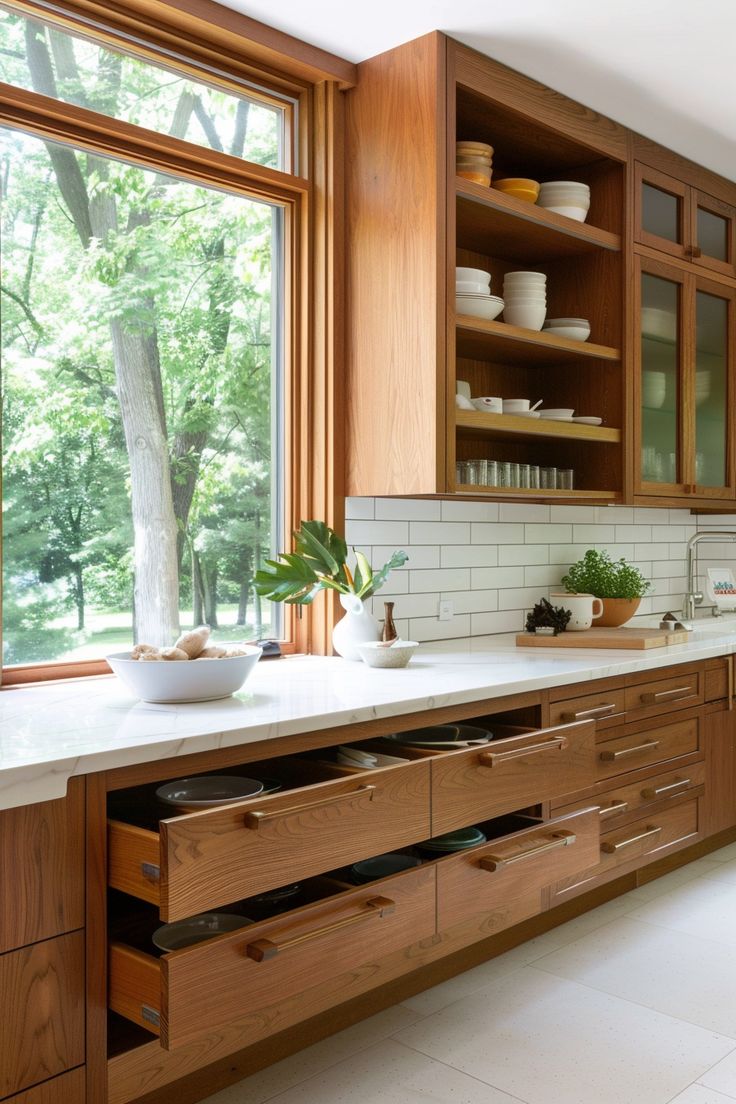
- Cabinetry: Choose between custom, semi-custom, or stock cabinets. Consider the material (solid wood vs. MDF) and the door style (Shaker, flat-panel, or raised).
- Countertops: Compare the durability of quartz, the heat resistance of granite, or the affordability of laminate.
- Flooring: Look for moisture-resistant options like porcelain tile, luxury vinyl plank (LVP), or sealed hardwood.
- Lighting: Plan for a mix of ambient, task, and accent lighting to create depth and functionality.
Hiring the Right Professional Team
Unless you are an experienced contractor, a kitchen renovation usually requires professional help. You may need:
- Kitchen Designer: To help maximize your space and select cohesive materials.
- General Contractor: To manage the timeline, permits, and various subcontractors (plumbers, electricians, and tilers).
- Specialists: If you are moving gas lines or structural walls, you will need certified experts to ensure the work is up to code.
The Renovation Timeline: What to Expect
A full kitchen renovation typically takes anywhere from 6 to 12 weeks, excluding the months of planning and ordering materials.
- Demolition: Removing old cabinets, flooring, and appliances.
- Rough-in Work: Updating electrical, plumbing, and HVAC systems.
- Drywall and Painting: Closing the walls and prepping the surfaces.
- Cabinet and Countertop Installation: The most exciting phase where the kitchen takes shape.
- Finishing Touches: Installing the backsplash, hardware, and final lighting fixtures.
Frequently Asked Questions
How long does a typical kitchen renovation take? While the actual construction usually takes 6 to 12 weeks, the entire process—including design, permits, and ordering custom materials—can take 4 to 6 months.
Should I buy appliances before or after the cabinets? You should choose your appliances before the final cabinet design is settled. Your cabinet maker needs the exact “spec sheets” (dimensions) of your fridge, stove, and dishwasher to ensure a perfect, seamless fit.
What adds the most value to a kitchen? Quality cabinetry and stone countertops (like quartz or granite) offer the highest return on investment. Upgrading to energy-efficient, matching appliances is also a major selling point for future buyers.
Can I live in my house during a kitchen renovation? Yes, but it is challenging. Most homeowners set up a “temporary kitchen” in another room with a microwave, a slow cooker, and a plastic washbasin for dishes.
What is the most common mistake in kitchen planning? Not having enough storage or counter space. People often prioritize aesthetics over the “workability” of the kitchen. Always err on the side of more drawers and more prep space.