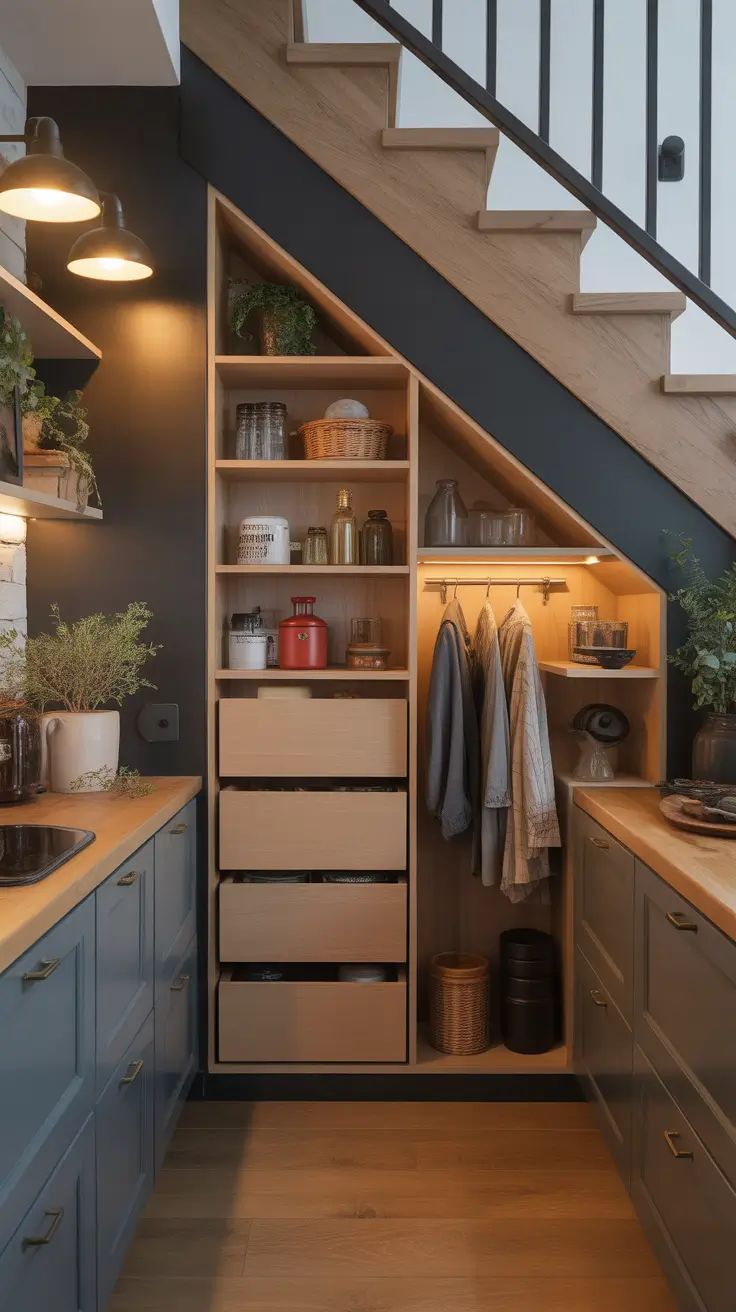
A cluttered kitchen is more than just an eyesore; it’s a barrier to efficiency and a source of daily stress. Whether you are living in a compact city apartment or a spacious suburban home, the challenge remains the same: how to fit an ever-growing collection of gadgets, cookware, and pantry staples into a finite amount of space.
The key to a high-functioning kitchen isn’t necessarily more square footage it’s about better management of the space you already have. These kitchen storage optimization ideas will help you reclaim your countertops and turn your cabinets into a masterclass of organization.
Think Vertically to Reclaim Counter Space
Most homeowners overlook the vast amount of storage potential located between the countertops and the ceiling. Vertical space is your best friend when it comes to optimization.
Ceiling-Height Cabinetry
If you are remodeling, consider extending your cabinets all the way to the ceiling. Use the highest shelves for seasonal items—like holiday platters or giant stockpots that you only need a few times a year.
Wall-Mounted Magnetic Strips
Knife blocks take up valuable “prime real estate” on your counters. Swap them for a sleek magnetic wall strip. Not only does this keep your knives within reach, but it also keeps them sharper by preventing them from clanking against other tools in a drawer.
Pegboards and S-Hooks
Inspired by professional kitchens, a wall-mounted pegboard allows you to hang frequently used pots, pans, and colanders. This frees up bulky cabinet space and turns your cookware into a functional design element.
Revolutionize Your Base Cabinets
Traditional lower cabinets with deep shelves are often where kitchen items go to be forgotten. Reaching for a pot at the back of a dark cabinet is physically straining and inefficient.
The Power of Pull-Out Drawers
Whenever possible, replace standard shelves with deep pull-out drawers. Drawers allow you to see the entire contents from above, ensuring nothing gets lost in the “black hole” of the back corner.
Corner Cabinet Solutions
Corner cabinets are notorious for wasted space. Install a Lazy Susan or a Magic Corner (a specialized pull-out rack system) to bring items stored in the far corners directly to your fingertips.
Under-Sink Organizers
The area around the plumbing is often a mess of cleaning supplies. Use expandable under-sink racks and clear bins to categorize sponges, sprays, and dish soap, ensuring you utilize every inch around the pipes.
Master the Art of Pantry Organization
A well-organized pantry prevents “duplicate buying” and reduces food waste. The goal is to see everything you own at a single glance.
- Decanting into Clear Containers: Removing food from bulky, mismatched original packaging and placing it in uniform, airtight clear containers saves space and keeps food fresher for longer.
- Tiered Shelf Organizers: Use “stadium seating” style risers for canned goods so you can see the labels of the back row without moving the front ones.
- Over-the-Door Racks: The back of the pantry door is perfect for storing light items like spices, aluminum foil, or snacks.
Utilize Hidden and Neglected Spaces
Optimization is about finding storage where none seems to exist.
- Toe-Kick Drawers: The small space between your bottom cabinets and the floor (the toe-kick) can be converted into shallow drawers. These are perfect for storing flat items like baking sheets, muffin tins, or placemats.
- Above the Refrigerator: Most people leave the space above the fridge empty or cluttered with dust. Install a deep cabinet or a custom wine rack here to make the most of this high-up area.
- Side of the Cabinet: Adhesive hooks or slim racks on the side of a cabinet run can hold aprons, oven mitts, or even a tablet for following recipes.
The “Point of Use” Principle
The most effective storage strategy is to store items exactly where they are first used.
- The Coffee Station: Store mugs, coffee beans, and sugar directly above or next to your coffee maker.
- The Prep Zone: Store knives, cutting boards, and scrap bowls near the primary stretch of counter where you chop vegetables.
- The Baking Zone: Group flour, sugar, baking soda, and your stand mixer in one dedicated area.
By minimizing the “commute” between different parts of the kitchen, you optimize your workflow and keep the space organized during high-pressure cooking moments.
Frequently Asked Questions
What is the best way to organize a very small kitchen? In a small kitchen, prioritize “clear counters.” Use wall-mounted racks for spices and knives, and use over-the-sink cutting boards to create extra workspace. Every item should have a dedicated “home” to prevent clutter from accumulating.
How do I stop my Tupperware cabinet from becoming a mess? Stop storing containers with their lids on. Nest the bases inside each other by size and use a dedicated lid organizer (like a dish rack) to store the lids vertically. This prevents the “avalanche” effect when you open the door.
Are kitchen organizers worth the investment? Yes, but only if they fit your specific needs. Before buying, measure your cabinets and categorize your items. A few well-chosen tension rods or shelf risers are often more effective than a dozen cheap plastic bins.
How often should I declutter my kitchen storage? A “mini-declutter” every six months is ideal. Check for expired food in the pantry and donate gadgets you haven’t used in a year. This prevents your optimized storage systems from becoming overwhelmed.
What should I store in top cabinets vs. bottom cabinets? Store lightweight items (glassware, cereals, spices) in top cabinets. Store heavy or bulky items (stand mixers, cast iron skillets, large pots) in bottom cabinets to prevent injury and make access easier.