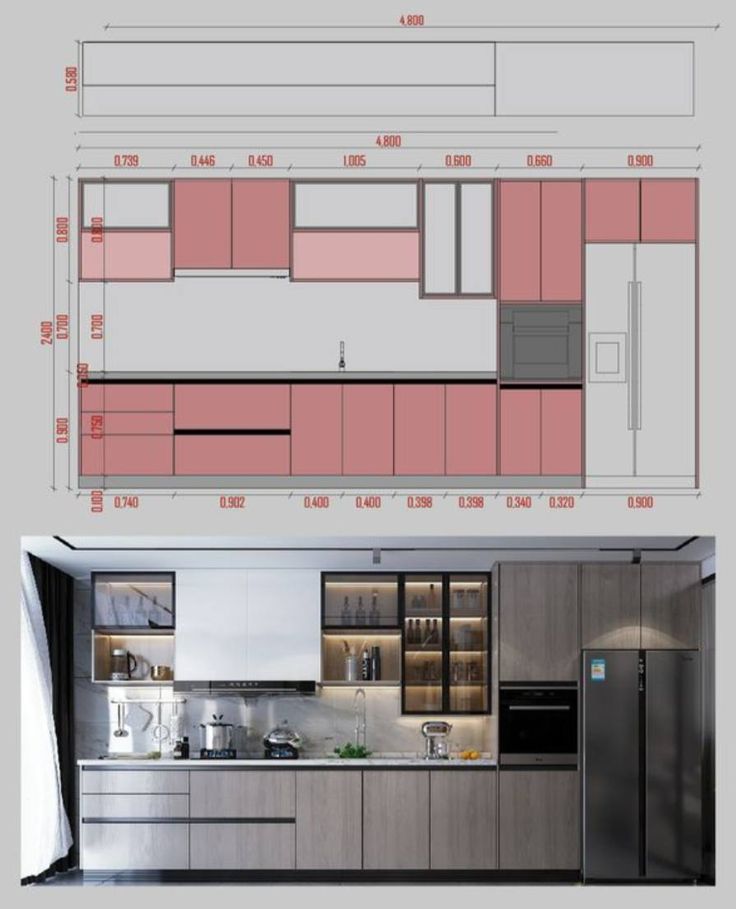
Have you ever finished cooking a big meal only to feel a dull ache in your back or strain in your shoulders? Often, we blame the complexity of the recipe, but the real culprit is usually the kitchen’s design. Kitchen ergonomics is the science of designing a workspace to fit the person using it, rather than forcing the person to adapt to the space.
By applying this kitchen ergonomics design guide, you can reduce physical fatigue, prevent long-term injury, and make your time spent at the stove significantly more enjoyable.
The Importance of Working Heights
In a standard kitchen, countertops are usually fixed at a height of 36 inches. However, “standard” doesn’t work for everyone. Ergonomics suggests that your work surface should be tailored to the specific tasks you perform.
Prep Surfaces
Ideally, your main prep area should be about 2 to 3 inches below your elbow height when you are standing. This allows you to chop and slice without hunching your shoulders or bending your back.
The Cooking Surface
The stovetop should actually be slightly lower than your prep counter (roughly 5 to 6 inches below elbow height). This makes it easier—and safer—to look into deep pots and stir heavy mixtures without straining your arms.
Kneading and Heavy Tasks
For tasks that require downward force, such as kneading dough or rolling pastry, a lower surface (like a kitchen island set at 30 to 32 inches) provides better leverage and reduces strain on your wrists.
Strategic Storage and the Reach Zone
Ergonomics is largely about minimizing unnecessary movement. Designers categorize storage into three “Reach Zones” based on how often you use items.
- Zone 1 (The Primary Zone): This is the area between your waist and eye level. Store your daily-use items here—like dinner plates, basic spices, and favorite pans—so you never have to bend or reach.
- Zone 2 (The Secondary Zone): This includes the area just above your head and down to your knees. Store items you use once or twice a week here.
- Zone 3 (The Tertiary Zone): This includes the very top shelves and the very bottom of your cabinets. Reserve this for holiday platters or specialized appliances used only a few times a year.
Pro Tip: Switch to Deep Drawers
In ergonomic design, base cabinet doors are replaced by deep drawers. Instead of kneeling on the floor to find a pot at the back of a dark cabinet, you simply pull the drawer out and see everything from a comfortable standing position.
Appliance Placement for Efficiency
The way you position your appliances can drastically change the physical “cost” of cooking.
- Wall Ovens: Mounting an oven at eye level is far superior to a range-style oven. It eliminates the need to bend over while lifting heavy, hot roasts or trays.
- Dishwasher Elevation: If you have the space, raising the dishwasher by 6 to 10 inches off the floor can prevent hundreds of unnecessary back-bends every year.
- The Microwave: Avoid placing the microwave above the range. Reaching up and over a hot stove to pull out a bowl of hot soup is an ergonomic and safety hazard. Placing it at counter height or in a “drawer-style” unit is much safer.
Lighting and Visual Ergonomics
Ergonomics isn’t just about your muscles; it’s also about your eyes. Poor lighting leads to squinting and leaning forward, which ruins your posture.
- Task Lighting: Ensure you have dedicated lights under your upper cabinets to illuminate your prep surfaces directly. This prevents your own body from casting a shadow over your knife work.
- Anti-Glare: Choose matte or honed finishes for countertops if your kitchen receives heavy natural light. High-gloss surfaces can create a glare that leads to eye strain and headaches.
Creating Clearance and Walking Paths
A kitchen is a high-traffic area. Proper clearance ensures you can move freely without “bumping” into your environment.
- Walkways: A standard walkway should be at least 36 inches wide. However, in a “work zone” where people are cooking, 42 inches (for one cook) or 48 inches (for two cooks) is the ergonomic ideal.
- Appliance Arcs: Ensure there is enough space for the refrigerator door or oven door to open fully without blocking the entire path. There should be at least 30 inches of clear floor space in front of every appliance.
Frequently Asked Questions
What is the “Golden Rule” of kitchen ergonomics? The golden rule is “Store it where you use it.” By placing items at their point of use, you minimize the steps, reaches, and bends required to complete a task.
How can I make my existing kitchen more ergonomic without a remodel? You can install “pull-out” wire baskets in your lower cabinets, add a thick anti-fatigue mat in front of the sink, and use a vertical knife block or magnetic strip to keep tools at eye level.
What is an anti-fatigue mat, and do I need one? If you have hard floors like tile or stone, an anti-fatigue mat is essential. It provides a cushioned surface that reduces the pressure on your lower back and legs while standing for long periods.
Is an island or a peninsula better for ergonomics? An island is generally better because it allows for “360-degree” movement, preventing the cook from being cornered. However, it requires a larger room to maintain proper clearance paths.
What height should my kitchen stools be? For a standard 36-inch counter, your stool seat height should be 24 inches. For a 42-inch “bar height” counter, your stool should be 30 inches. This ensures your arms are at a natural angle for eating or working.