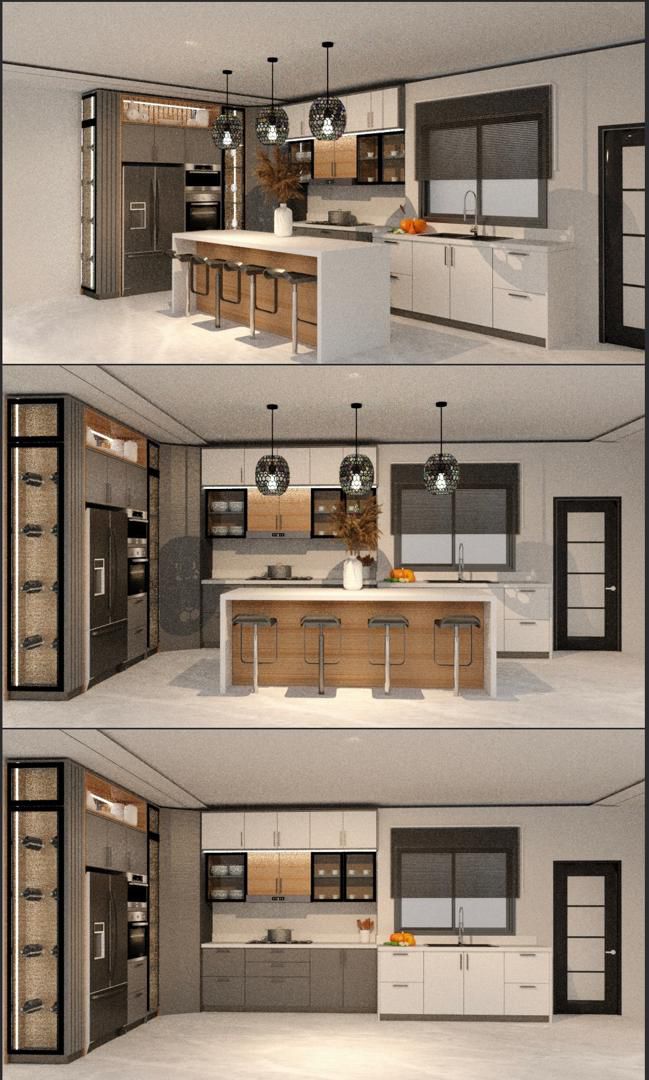
In the world of interior design, the kitchen is no longer just a place to cook it is a reflection of a lifestyle. While “modern” design refers to a specific era of the mid-20th century, “contemporary” design is fluid, representing the “here and now.” A contemporary kitchen combines cutting-edge technology with high-end aesthetics, focusing on clean lines, intentional minimalism, and a mix of contrasting textures.
If you are looking to create a space that feels fresh, sophisticated, and ahead of the curve, this contemporary kitchen style guide will walk you through the essential elements of this popular design movement.
The Core Elements of Contemporary Design
Contemporary kitchens are defined by their “architectural” feel. Every element is designed to look deliberate and uncluttered.
- Clean Horizontal Lines: Contemporary design emphasizes long, horizontal lines to create a sense of space and movement. This is often achieved through wide drawers and long, continuous countertops.
- Minimalist Cabinetry: You won’t find ornate moldings or “shaker” grooves here. Contemporary cabinets are typically flat-panel (slab) and often feature handleless “push-to-open” mechanisms.
- Mixed Materials: This style thrives on contrast. Think matte black cabinetry paired with a warm walnut island, or cold stainless steel against a textured stone backsplash.
Bold Color Palettes and Textural Contrast
While contemporary design often starts with a neutral base, it is far from boring. It uses color and texture to create visual drama.
High-Contrast Neutrals
Black, white, and charcoal are the pillars of the contemporary palette. A popular look in 2026 is the “all-black” kitchen, where different textures (matte black cabinets, glossy black tile, and dark stone) create depth without needing a rainbow of colors.
Playing with Natural Textures
To prevent a contemporary kitchen from feeling too clinical, designers introduce organic elements. Raw concrete, unpolished stone, and visible wood grains provide the “tactile” warmth needed to make the kitchen feel like a home.
Integrating Smart Technology and Hidden Features
A contemporary kitchen is as much about how it works as how it looks. Smart technology is integrated so seamlessly that it is almost invisible.
- The Hidden Appliance Trend: “Panel-ready” appliances are a staple of this style. The refrigerator and dishwasher are tucked behind cabinetry that matches the walls, creating a seamless, furniture-like appearance.
- Smart Lighting: Contemporary lighting is layered. Motion-sensor toe-kick lights, voice-controlled dimmers, and under-cabinet LEDs are used to change the mood of the room instantly.
- Induction Cooking: Sleek, glass-top induction hobs are preferred over bulky gas ranges because they maintain the flat, horizontal profile of the countertops.
Statement Lighting and Hardware
In a space with very little clutter, the fixtures you choose act as the “jewelry” of the room.
Architectural Light Fixtures
Instead of traditional chandeliers, contemporary kitchens favor geometric or sculptural pendant lights. Large, oversized dome lights or slim, linear LED bars over the island serve as the primary focal point of the room.
Minimalist Hardware
If handles are used at all, they are usually “C-channel” pulls or very slim, edge-mounted bars in finishes like matte black, brushed gold, or gunmetal. The goal is for the hardware to be functional without breaking the clean visual flow of the cabinetry.
Focus on the Waterfall Island
If there is one “must-have” feature in a contemporary kitchen, it is the waterfall island. This is where the countertop material—usually a heavily veined quartz or marble—extends vertically down the sides all the way to the floor.
This design choice showcases the beauty of the stone and creates a heavy, grounded look that anchors the open-plan living space. It also provides a sleek, easy-to-clean surface that hides the sides of the cabinets.
Creating a Social Hub: The Open-Concept Layout
The contemporary kitchen is designed to be seen. It usually flows directly into the dining or living area without walls.
To make this work, the kitchen is styled to look like part of the living room. This is why “hidden” storage and integrated appliances are so important—they prevent the “mess” of cooking from clashing with the curated look of the rest of the house. Large islands with bar-height seating encourage guests to sit and chat with the cook, making the kitchen the social heart of the home.
Frequently Asked Questions
What is the difference between modern and contemporary kitchen styles? “Modern” refers to a specific design movement from the 1920s to the 1950s (like Mid-Century Modern) that follows strict rules. “Contemporary” means “of the moment” and is always evolving to include the latest materials and technologies.
Is a contemporary kitchen too “cold” for a family home? Not at all. By incorporating warm wood tones, soft layered lighting, and comfortable bar stools, a contemporary kitchen can feel very cozy and inviting while remaining stylish.
Are contemporary kitchens expensive to build? They can be, mainly because the “minimalist” look requires very high-quality materials and precise craftsmanship. Since there is no molding to hide gaps, everything must be perfectly aligned. However, using high-quality laminates or engineered stones can help manage costs.
What kind of backsplash works best in a contemporary kitchen? A popular choice is the “slab backsplash,” where the same stone from the countertop is used on the wall. Alternatively, large-format glass or metallic tiles provide a clean, reflective look that fits the style perfectly.
How do I keep a contemporary kitchen from looking cluttered? Prioritize deep drawers and “appliance garages” to hide blenders and toasters. The key to the contemporary look is “clear surfaces,” so everything must have a hidden home.