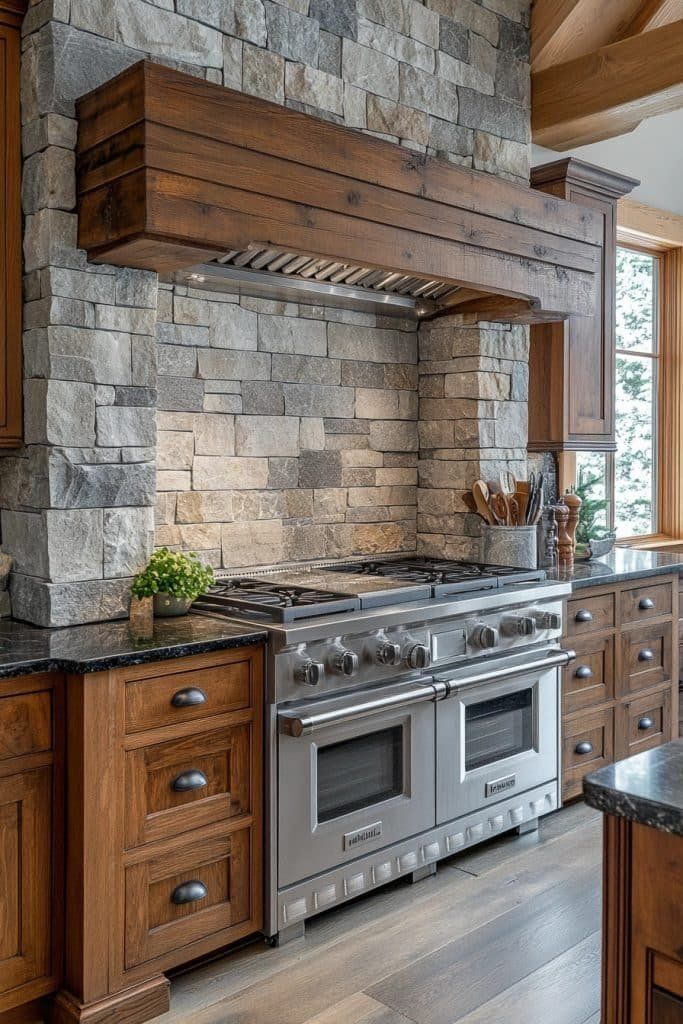
The kitchen backsplash is no longer just a practical shield to protect your walls from grease and water splashes. In modern interior design, it has become the “jewelry” of the kitchen a focal point that ties your cabinets and countertops together while expressing your personal style.
Choosing the right material is a balance of aesthetics, budget, and maintenance. Whether you are looking for a timeless look or a bold statement, this kitchen backsplash material guide will help you navigate the best options available in 2026.
Ceramic and Porcelain Tile: The Versatile Classics
Tile remains the most popular choice for backsplashes due to its incredible variety and price range.
Timeless Subway Tiles
Subway tiles are the ultimate “evergreen” choice. While the classic 3×6 white tile is always in style, modern variations include “hand-crafted” looks with uneven edges, matte finishes, and oversized dimensions. They are easy to clean and fit almost any kitchen style.
Durable Porcelain
Porcelain is denser and less porous than ceramic, making it extremely resistant to stains and moisture. With advanced printing technology, porcelain tiles can now mimic the look of wood, concrete, or even rare marble, offering a high-end look at a fraction of the cost.
Natural Stone Slabs: Luxury and Seamlessness
For those aiming for a high-end or “luxury” aesthetic, stone slabs provide an uninterrupted, dramatic visual that tiles simply cannot match.
Marble and Granite Slabs
Using a solid slab of marble or granite that matches your countertop creates a sophisticated “waterfall” effect on your walls. It eliminates grout lines entirely, which makes the kitchen feel more expansive. However, keep in mind that natural stone is porous and requires regular sealing to prevent oil stains.
Engineered Quartz
Quartz slabs are a fantastic alternative to natural stone. They are non-porous, meaning they never need sealing and are virtually impossible to stain. In 2026, many homeowners are choosing quartz with heavy veining to create a bold, “organic modern” centerpiece behind the stove.
Glass and Mirrored Backsplashes: Bright and Modern
If you want to make a small kitchen feel larger and brighter, glass is your best friend.
Back-Painted Glass
This involves a solid sheet of tempered glass with color applied to the back. It offers a sleek, glossy finish that reflects light beautifully. Because it is a single smooth surface, there is nowhere for grease or grime to hide, making it the easiest material to clean.
Mirrored Backsplashes
Antique or smoked mirrors are trending for transition and contemporary kitchens. They bounce light across the room and allow the cook to keep an eye on the rest of the house while facing the wall.
Metallic and Industrial Options
For a professional or industrial vibe, metal backsplashes offer unmatched durability and a unique edge.
- Stainless Steel: Common in professional kitchens, it is heat-resistant and hygienic. It can be installed as a solid sheet or as small mosaic tiles.
- Copper and Brass: These materials add a warm, vintage glow to the kitchen. Over time, they develop a natural patina that adds character, though they do require specific cleaning products to maintain their shine.
Brick and Zellige: Adding Texture and Soul
If your kitchen feels too “flat” or clinical, adding a textured backsplash can provide much-needed warmth.
- Zellige Tiles: These are handmade Moroccan clay tiles known for their imperfections. Every tile is slightly different in shade and texture, creating a shimmering, iridescent effect when hit by light.
- Thin Brick Veneer: Perfect for farmhouse or industrial “loft” styles. Brick adds a rugged, earthy feel, but it must be properly sealed to prevent grease from soaking into the porous surface.
Important Considerations Before You Buy
When selecting from this kitchen backsplash material guide, ask yourself these three questions:
- How much maintenance can I handle? If you hate cleaning grout, go with a solid slab or large-format tiles.
- Does it compete with the countertop? If your countertop has a lot of movement and veins, choose a simple, solid-colored backsplash. If your counters are plain, your backsplash can be the star.
- Is it heat-resistant? Ensure the material you choose is rated for use behind a cooktop, especially if you have a high-BTU gas range.
Frequently Asked Questions
Which backsplash is the easiest to clean? Back-painted glass and large-format porcelain tiles are the easiest to maintain because they have little to no grout lines where grease can accumulate. A simple wipe with a damp cloth is usually all they need.
Do I need to seal my kitchen backsplash? If you choose natural stone (marble, granite, travertine) or real brick, yes. You should seal it upon installation and typically once a year thereafter to protect it from oil and food splatters.
Can I install a new backsplash over an old one? It is possible but not recommended. “Tiling over tile” adds thickness to the wall, which can make your electrical outlets recessed too deeply and create issues where the backsplash meets the cabinets. It is always better to start with a clean, flat surface.
How high should the backsplash go? The standard height is 18 inches, reaching the bottom of the upper cabinets. However, a “full-height” backsplash that goes all the way to the ceiling behind the stove or vent hood is a popular modern trend that creates a dramatic focal point.
What is the most budget-friendly backsplash material? Ceramic subway tile is generally the most affordable option. It is inexpensive to buy and relatively easy for DIY enthusiasts to install, saving you on labor costs as well.