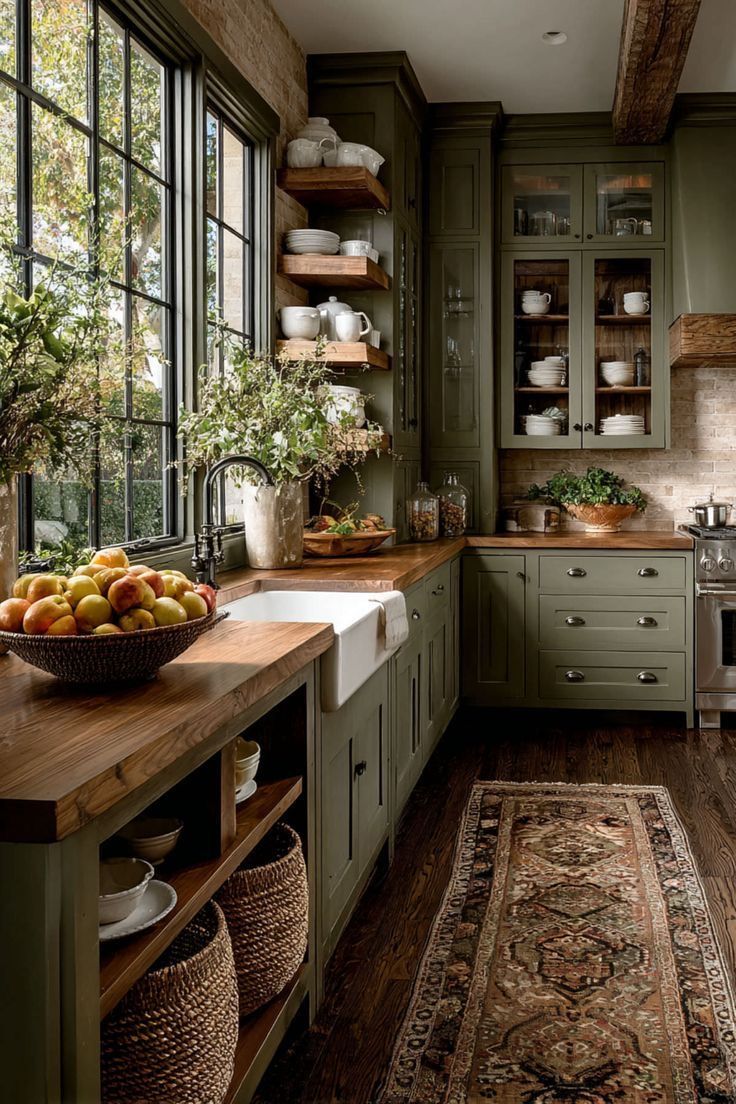
Choosing a countertop is one of the most significant decisions in a kitchen remodel. It serves as the visual centerpiece of the room while doubling as the primary workspace for food prep, homework, and social gatherings. However, with so many options ranging from natural stone to high-tech synthetics, the choice can be overwhelming.
This kitchen countertop material comparison will break down the most popular surfaces based on durability, maintenance, cost, and style to help you make an informed investment for your home.
Quartz: The Modern King of Convenience
Quartz has quickly become the most popular countertop material in the world. Unlike natural stone, quartz is an engineered product made from roughly 90% crushed quartz crystals and 10% resin and pigments.
Pros
Quartz is non-porous, meaning it is highly resistant to stains, bacteria, and scratches. Because it is engineered, it offers a consistent pattern and can be manufactured to look exactly like expensive marble or concrete without the maintenance headaches.
Cons
The primary drawback is heat sensitivity. Because of the resin used in its construction, placing a hot pan directly on the surface can cause permanent discoloration or cracking.
Granite: The Enduring Natural Classic
For those who value authenticity, granite remains the gold standard. Every slab is unique, created by nature over millions of years.
Pros
Granite is incredibly heat-resistant and durable. It handles hot pots and sharp knives better than almost any other material. When properly sealed, it is also very resistant to stains and moisture.
Cons
Granite is porous, which means it requires periodic sealing (usually once a year) to prevent liquids from seeping into the stone. Because it is natural, you may also find “imperfections” or variations in color that weren’t visible in a small sample.
Marble: The Height of Elegance
Marble is the go-to choice for luxury and a “chef-inspired” look. It is famously used by bakers because the stone stays naturally cool, which is perfect for working with pastry dough.
Pros
There is simply no substitute for the luminous glow and dramatic veining of real marble. It adds instant prestige and significant resale value to a home.
Cons
Marble is high-maintenance. It is a “soft” stone, meaning it is prone to scratching and “etching” (dull spots caused by acidic liquids like lemon juice or vinegar). Many homeowners choose marble for its “patina,” but if you want your counters to look brand new forever, marble may not be for you.
Butcher Block: Warm and Organic
Wood countertops, or butcher blocks, bring a warm, farmhouse feel to a kitchen that stone simply cannot replicate.
Pros
It is the only countertop material you can actually prep food directly on (if left unsealed with food-grade oil). It is also quieter than stone and much warmer to the touch.
Cons
Wood is susceptible to water damage and can rot if installed near a sink without proper care. It requires regular oiling with mineral oil to prevent drying out and cracking.
Laminate: The Budget-Friendly All-Rounder
Today’s laminate is a far cry from the versions seen in the 1970s. Modern printing technology allows laminate to mimic the look of stone or wood with surprising accuracy.
Pros
It is by far the most affordable option on this list. It is easy to install, comes in thousands of colors, and is remarkably stain-resistant.
Cons
Laminate is susceptible to burns and scratches, and once the surface is damaged, it cannot be repaired; the entire section usually needs replacement. It also doesn’t offer the same boost to home resale value as stone.
Concrete: The Industrial Favorite
Concrete is perfect for those seeking a custom, industrial, or rustic aesthetic.
Pros
It can be cast in almost any shape and can include custom features like built-in drainboards or embedded decorative glass.
Cons
Concrete is prone to hairline cracks as the house settles, and it requires professional sealing to prevent staining. It is also quite expensive due to the labor involved in custom casting.
Quick Comparison Table
| Material | Durability | Maintenance | Relative Cost |
| Quartz | High | Very Low | Moderate – High |
| Granite | Very High | Moderate | Moderate – High |
| Marble | Moderate | High | High |
| Butcher Block | Moderate | High | Moderate |
| Laminate | Low – Moderate | Low | Low |
| Concrete | Moderate | High | High |
Frequently Asked Questions
Which countertop material is the most hygienic?
Quartz and stainless steel are the most hygienic options because they are non-porous. They do not harbor bacteria or mold in tiny cracks or pores.
Is it okay to put hot pans directly on a countertop?
Only on granite, soapstone, or stainless steel. Even then, it is always recommended to use a trivet to protect your investment and prevent “thermal shock.”
How often do I need to seal my stone countertops?
Most granite and marble surfaces should be sealed once every 12 to 24 months. You can test if you need a sealer by dropping a small amount of water on the surface; if it beads up, you are safe. If it soaks in, it’s time to reseal.
Which material is best for an outdoor kitchen?
Granite and soapstone are excellent for outdoor use because they can withstand UV rays and temperature fluctuations without fading or cracking.
Can I repair a scratched countertop?
Natural stones like granite and marble can often be professionally polished to remove scratches. Butcher block can be sanded and re-oiled. However, quartz and laminate are very difficult to repair once deeply scratched.