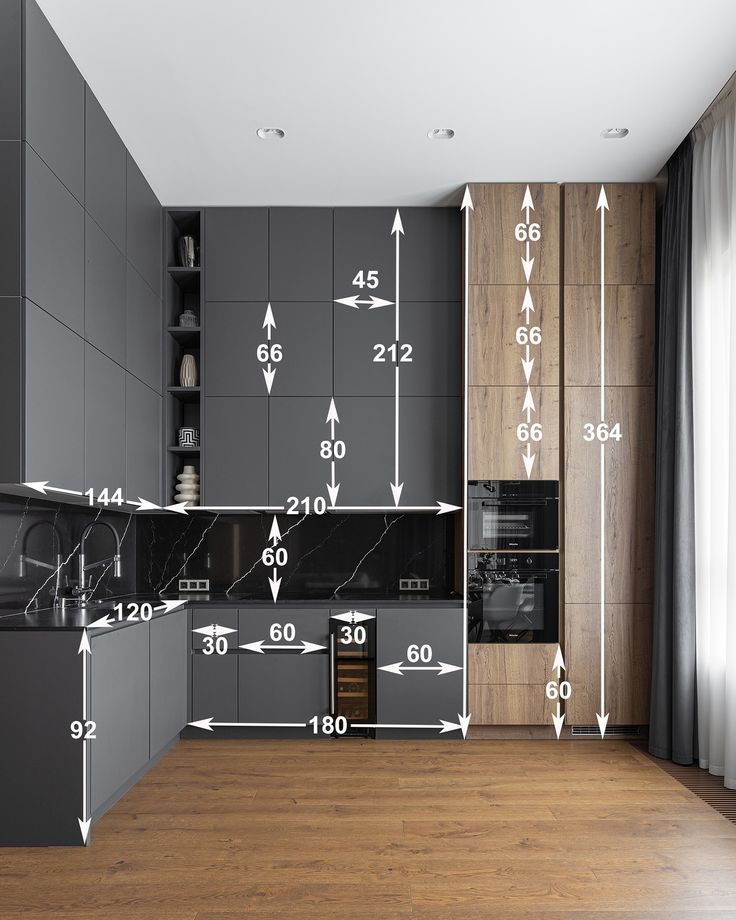
When planning a kitchen renovation, it is easy to get distracted by marble backsplashes and custom cabinetry. However, the most critical element for a high-functioning kitchen is actually hidden behind the walls: the electrical system.
In a modern home, the kitchen is a high-demand zone. From heavy-duty appliances like ovens and dishwashers to everyday gadgets and smart home technology, your electrical system needs to be robust, safe, and strategically placed. This kitchen electrical layout guide will help you plan a system that meets modern safety codes and supports your lifestyle.
The Importance of Dedicated Circuits
The kitchen is home to “power-hungry” appliances. If you plug a high-wattage air fryer into the same circuit as your refrigerator, you risk tripping the breaker every time you make a snack. To prevent this, modern electrical codes require dedicated circuits.
A dedicated circuit serves only one appliance. Essential appliances that require their own circuit include:
- The Refrigerator: To ensure it stays running even if another breaker trips.
- The Range or Wall Ovens: These require heavy-duty 240-volt circuits.
- The Dishwasher: Usually on its own 15 or 20-amp circuit.
- The Garbage Disposal: Often shares a circuit with the dishwasher but is safer on its own.
- The Microwave: Because they draw significant power during use.
Strategic Outlet Placement for Countertops
According to most electrical codes (like the NEC), countertop outlets must be placed so that no point along the wall is more than 24 inches from an outlet. This ensures you never have to stretch an appliance cord across a sink or stove.
Small Appliance Zones
Identify where your “coffee station” or “baking nook” will be. Place extra outlets in these areas to accommodate multiple devices like grinders, blenders, and mixers without having to unplug one to use another.
Island and Peninsula Outlets
If you have a kitchen island, you must have at least one (and often two) outlets installed. In 2026, many homeowners opt for pop-up outlets or “hidden” outlets tucked under the countertop overhang to maintain a sleek look without sacrificing functionality.
Layering Your Kitchen Lighting
A single light fixture in the middle of the ceiling is no longer enough. An effective kitchen electrical layout uses three distinct layers of light to create both mood and safety.
- Task Lighting: This is the most important layer. Under-cabinet LED strips illuminate your countertops directly, ensuring you can see clearly while chopping vegetables or reading recipes.
- Ambient Lighting: These are your general overhead lights, such as recessed “can” lights, which provide even illumination across the whole room.
- Accent/Decorative Lighting: Pendant lights over the island or a chandelier over the dining table add personality and focal points to the space.
Safety First: GFCI Protection
Because kitchens involve both electricity and water, safety is paramount. GFCI (Ground Fault Circuit Interrupter) outlets are a legal requirement for any outlet within 6 feet of a sink or water source.
GFCIs monitor the flow of electricity and shut off the power instantly if they detect a leak (a “ground fault”), such as when an appliance falls into a sink full of water. These outlets feature “Test” and “Reset” buttons on the face and are your primary defense against electrical shocks.
Future-Proofing with Smart Technology
In 2026, a kitchen electrical layout isn’t complete without considering the “Internet of Things” (IoT).
- USB-C Outlets: Replace standard outlets in your seating area with units that have built-in USB-C ports for charging phones and tablets.
- Smart Switches: Incorporate dimmers and switches that can be controlled via voice or smartphone. This allows you to set the “dinner mood” or turn off forgotten lights from your bed.
- Tablet Nooks: If you use a tablet for recipes, plan for an outlet at eye level near your primary prep zone so you can keep the device charged during long cooking sessions.
Frequently Asked Questions
How many outlets do I need in a kitchen?
The general rule is one outlet every 2 to 4 feet along your countertops. You also need at least one outlet on your island and dedicated outlets for every large appliance.
Can I put an outlet behind the stove?
Yes, but it is typically used for the stove’s clock and ignition system. You should not use this outlet for small appliances, as reaching over a hot stove to plug something in is a major safety hazard.
What is the difference between a 15-amp and a 20-amp circuit?
Kitchens generally require 20-amp circuits for countertop outlets to handle the high draw of items like toasters and coffee makers. 15-amp circuits are typically reserved for general lighting.
What should I do if my breaker trips every time I use the microwave?
This is a sign that your microwave is on a shared circuit that is being overloaded. You should consult an electrician to install a dedicated circuit specifically for the microwave.
Where should light switches be placed?
Place switches at every entry and exit point of the kitchen. It is also helpful to have a separate switch for under-cabinet lights near your primary prep area.
Would you like me to help you create a specific electrical map based on the appliances you plan to buy?