The definition of a luxury kitchen has shifted. It is no longer just about the most expensive price tag or the flashiest appliances; today, true luxury is defined by bespoke craftsmanship, seamless technology, and an effortless flow that caters to both high-end culinary art and intimate social gathering.
A high-end kitchen is an investment in your lifestyle. Whether you are looking for a sleek contemporary aesthetic or a timeless “Old World” grandeur, this guide offers the luxury kitchen design inspiration you need to transform the heart of your home into a masterpiece of form and function.
The Foundation of High-End Design: Premium Materials
In a luxury kitchen, the materials do the heavy lifting. When you use authentic, high-quality surfaces, the room gains an inherent sense of weight and permanence.
Rare Stone and Integrated Slabs
Luxury is moving away from standard granite toward rarer stones like Calacatta Borghini marble, quartzite, or soapstone. A major trend is the “slab backsplash,” where the countertop material continues vertically up the wall, creating a dramatic, seamless visual. For a modern touch, consider semi-precious stone inlays or “book-matched” marble, where the veins of two adjacent slabs mirror each other perfectly.
Bespoke Cabinetry and Furniture-Grade Finishes
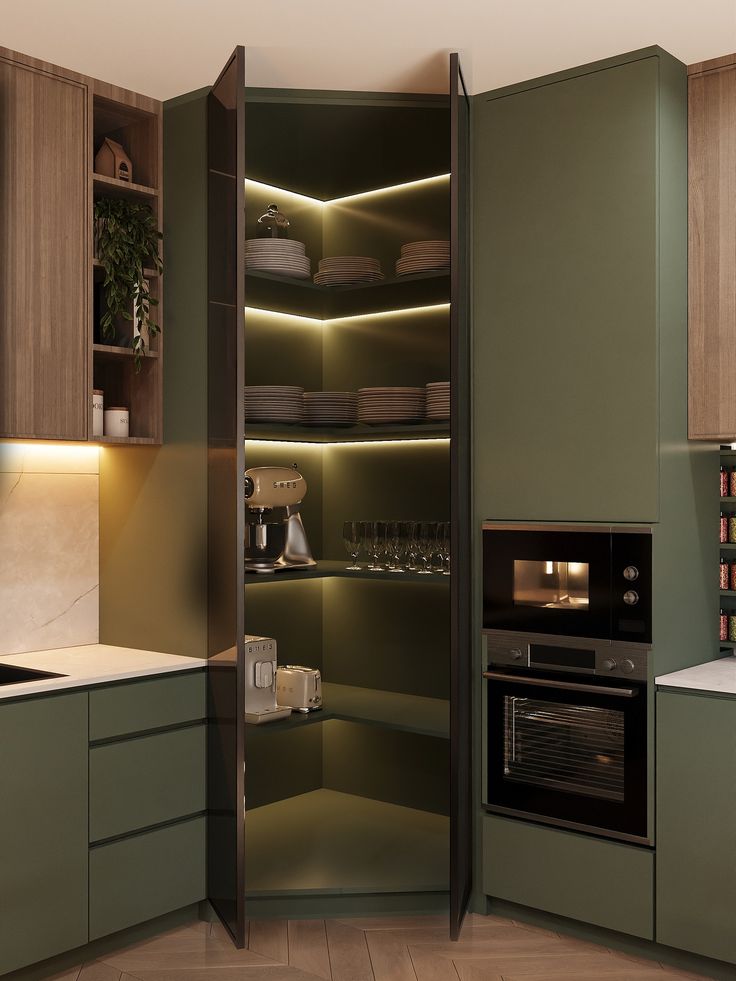
In the luxury tier, “stock” cabinets are non-existent. Custom cabinetry is designed to fit the exact millimeter of your space. Current inspirations include rift-sawed oak, high-gloss lacquered finishes, and even metal-framed glass doors with integrated interior lighting. The interior of the drawers is just as important—think velvet-lined cutlery dividers and solid walnut inserts.
Professional-Grade Appliances for the Home Chef
A luxury kitchen must perform as well as it looks. The trend is to treat appliances as either “statement pieces” or “invisible assistants.”
Statement Ranges
A French-made Lacanche or a high-performance Wolf range serves as the visual anchor of the kitchen. These pieces are often customized in unique colors like cobalt blue, forest green, or matte black with brass or copper trim, turning a functional tool into a piece of art.
The Invisible Kitchen
Conversely, many homeowners prefer the “integrated” look. This involves using panel-ready refrigerators (like Sub-Zero), dishwashers, and wine towers that blend perfectly with the cabinetry. In 2026, we are also seeing “hidden” induction hobs that are built directly beneath the porcelain countertop, leaving a completely flat, usable surface when you aren’t cooking.
The Scullery and the Social Hub: New Layout Concepts
Modern luxury kitchens are often divided into two distinct zones: the “Show Kitchen” and the “Working Kitchen.”
The Butler’s Pantry and Scullery
To keep the main kitchen pristine during a dinner party, the “scullery” or “dirty kitchen” is making a massive comeback. This is a secondary, walk-in space where heavy food prep, dishwashing, and small appliance storage happen behind closed doors. This allows the main kitchen to remain a clean, beautiful space for entertaining.
The Double Island
If space permits, the double island is the ultimate luxury layout. One island is dedicated to the “work”—featuring a prep sink and dishwasher—while the second island is dedicated to “socializing,” acting as a bar or casual dining table with high-end leather seating.
Tech-Forward Luxury and Smart Integration
In 2026, luxury is synonymous with convenience. A smart kitchen anticipates your needs without feeling “gimmicky.”
- Voice-Controlled Environments: Adjusting lighting “scenes,” preheating the oven, or checking the contents of your fridge via voice command is standard in high-end builds.
- Automated Storage: Motorized cabinets that descend from the ceiling or “touch-to-open” drawers add a layer of futuristic sophistication.
- Hydro-Zones: High-end kitchens now feature specialized water stations, including built-in espresso machines, sparkling water taps (like Zip or Quooker), and dedicated wine-chilling troughs integrated into the island.
Lighting: The Jewelry of the Kitchen
Luxury lighting is layered. It starts with architectural recessed lighting to provide clarity, but the “soul” of the room comes from the decorative fixtures.
Over-sized, hand-blown glass pendants or custom linear chandeliers over the island provide a focal point. Additionally, “internal” lighting—such as LED strips inside drawers and behind glass-front cabinets—creates a soft, museum-like glow that makes the kitchen feel expensive even when the main lights are off.
Frequently Asked Questions
What is the most expensive part of a luxury kitchen remodel? Typically, custom cabinetry and high-end appliances account for the largest portion of the budget. Custom wood finishes and professional-grade ranges from brands like La Cornue or Molteni can cost as much as a small car, but they offer unmatched durability and style.
Is marble a practical choice for a luxury kitchen? Marble is a classic luxury choice, but it is porous and prone to staining. Many luxury homeowners now opt for “Sintered Stone” or high-end Quartzite, which offers the beauty of marble with near-total resistance to heat, scratches, and stains.
How do I choose between a modern or traditional luxury design? Consider the architecture of your home. A sleek, minimalist luxury kitchen with handleless cabinets works beautifully in a modern penthouse, while a “Transitional” style—combining Shaker-style cabinets with modern stone and lighting—is a timeless choice for suburban estates.
What is a “Waterfall” edge? A waterfall edge is when the countertop material extends vertically down the sides of the island to the floor. It is a staple of luxury design because it showcases the stone’s pattern and hides the side of the cabinetry for a cleaner look.
Do I need a designer for a luxury kitchen? Yes. Luxury kitchens involve complex plumbing, electrical, and structural requirements. A specialized kitchen designer ensures that the ergonomics are as perfect as the aesthetics and can provide access to “trade-only” materials and appliances.