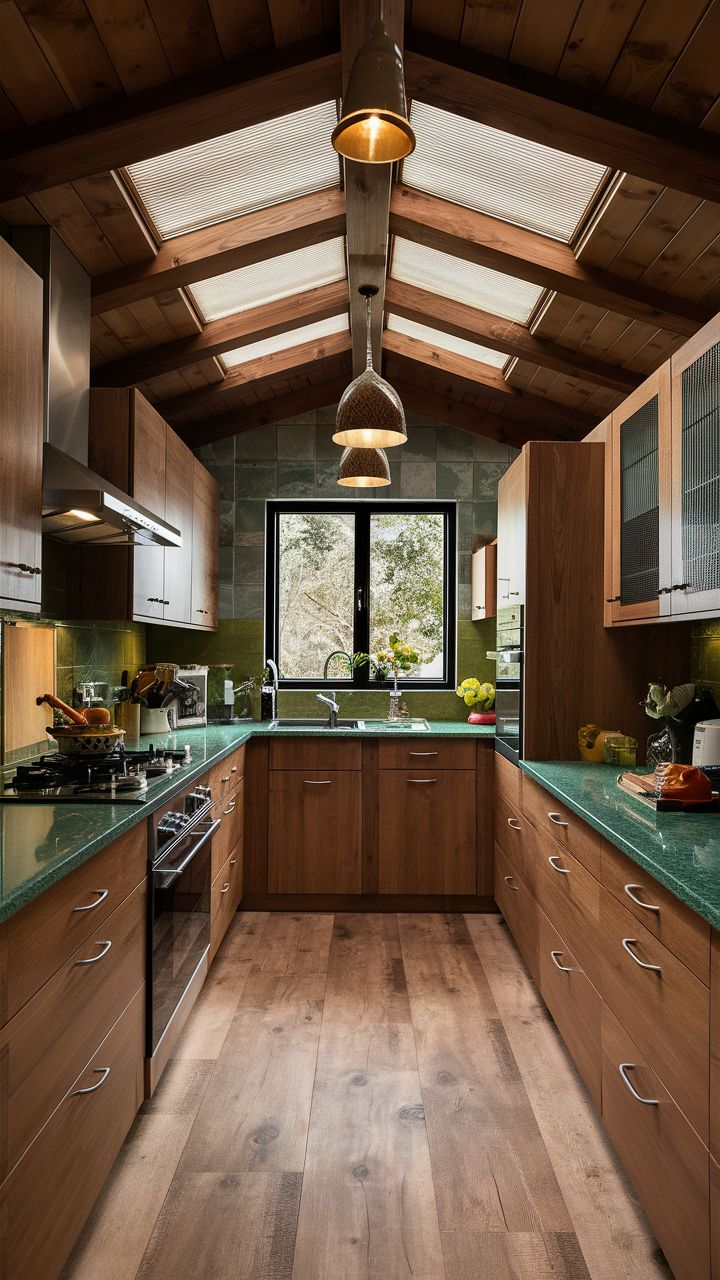
The kitchen is the most energy-intensive room in the average home. From refrigeration that runs 24/7 to high-heat cooking appliances and constant water usage, the utility bills can add up quickly. However, a modern kitchen doesn’t have to be a drain on your wallet or the planet.
By implementing smart energy efficient kitchen design tips, you can reduce your carbon footprint while creating a space that is sleek, functional, and cost-effective. Whether you are planning a full remodel or making small upgrades, these strategies will help you build a sustainable culinary sanctuary.
Investing in Energy Star Appliances
The most significant impact you can make on your kitchen’s energy consumption is through your choice of appliances. Old appliances are notorious for wasting electricity and water.
The Power of the Label
When shopping, always look for the Energy Star certification. This indicates that the appliance meets strict energy-efficiency guidelines set by the government. For example, an Energy Star refrigerator uses approximately 15% less energy than non-certified models.
Induction Cooktops
If you are looking for the gold standard in efficiency, switch from gas or traditional electric coils to an induction cooktop. Induction uses electromagnetic energy to heat the cookware directly, rather than heating the air around it. This results in faster cooking times and 90% energy transfer, compared to only 40% for gas.
Optimize Your Lighting Strategy
Lighting accounts for a significant portion of a home’s energy use, but it is also one of the easiest things to fix in a kitchen design.
- LED Everything: Replace all incandescent or halogen bulbs with LEDs. They use up to 75% less energy and can last 25 times longer.
- Layered Lighting: Instead of one giant, high-wattage ceiling light, use task lighting (like under-cabinet LEDs) to illuminate only the areas you are currently using.
- Natural Light: Maximize your windows. Use reflective surfaces like glossy backsplashes or light-colored countertops to bounce natural daylight into the corners of the room, reducing the need for electric lights during the day.
Smart Appliance Placement
Believe it or not, where you put your appliances matters as much as which ones you buy. A poor layout can force your appliances to work harder than necessary.
The Fridge-Stove Separation
Never place your refrigerator directly next to your oven or dishwasher. The heat from these appliances will cause the refrigerator to consume more energy to stay cool. If your layout is tight, ensure there is at least a small cabinet or insulation barrier between them.
Ventilation Efficiency
Install a high-quality range hood that vents to the outside. By efficiently removing heat and steam while you cook, your air conditioning system won’t have to work overtime to cool the house back down.
Water Conservation Techniques
An energy-efficient kitchen also focuses on water, as heating water requires a substantial amount of electricity or gas.
- Low-Flow Faucets: Install an aerator on your kitchen faucet. It reduces water flow without sacrificing pressure, which is perfect for rinsing vegetables or washing hands.
- Smart Dishwashers: Modern dishwashers are actually more water-efficient than hand-washing. Wait until the dishwasher is completely full before running a cycle, and use the “Eco” or “Light” wash settings whenever possible.
Choose Sustainable and Thermal Materials
Your choice of building materials can influence the “passive” energy efficiency of your kitchen.
- Sustainable Cabinetry: Look for cabinets made from FSC-certified wood or recycled materials with low-VOC finishes to improve indoor air quality.
- Insulation: Ensure the walls behind your kitchen cabinets are well-insulated. This prevents heat loss in the winter and keeps the kitchen cooler in the summer, especially if your kitchen faces the sun.
Frequently Asked Questions
Is an induction stove better than gas for energy efficiency? Yes, significantly. Gas stoves lose a lot of heat to the surrounding air, while induction transfers almost all the energy directly to the pan. Induction is faster, safer, and keeps your kitchen cooler.
Does a dishwasher really save more water than hand-washing? Yes. A modern Energy Star dishwasher uses as little as 3 gallons of water per cycle. Hand-washing the same amount of dishes can use up to 20 gallons of water.
What is the “vampire power” in a kitchen? “Vampire power” or “phantom load” refers to the energy consumed by appliances when they are plugged in but not in use (like coffee makers, blenders, or microwaves with digital clocks). Using a smart power strip can help you cut the power to these devices easily.
Can I make my old refrigerator more efficient? You can improve its efficiency by cleaning the condenser coils at the back or bottom twice a year and ensuring the door seals are airtight. If the seal can’t hold a dollar bill in place when closed, it’s time to replace the gasket.
What is the most energy-efficient lighting for a kitchen? LED (Light Emitting Diode) lighting is the most efficient. It provides high-quality light with minimal heat output and uses the least amount of wattage.