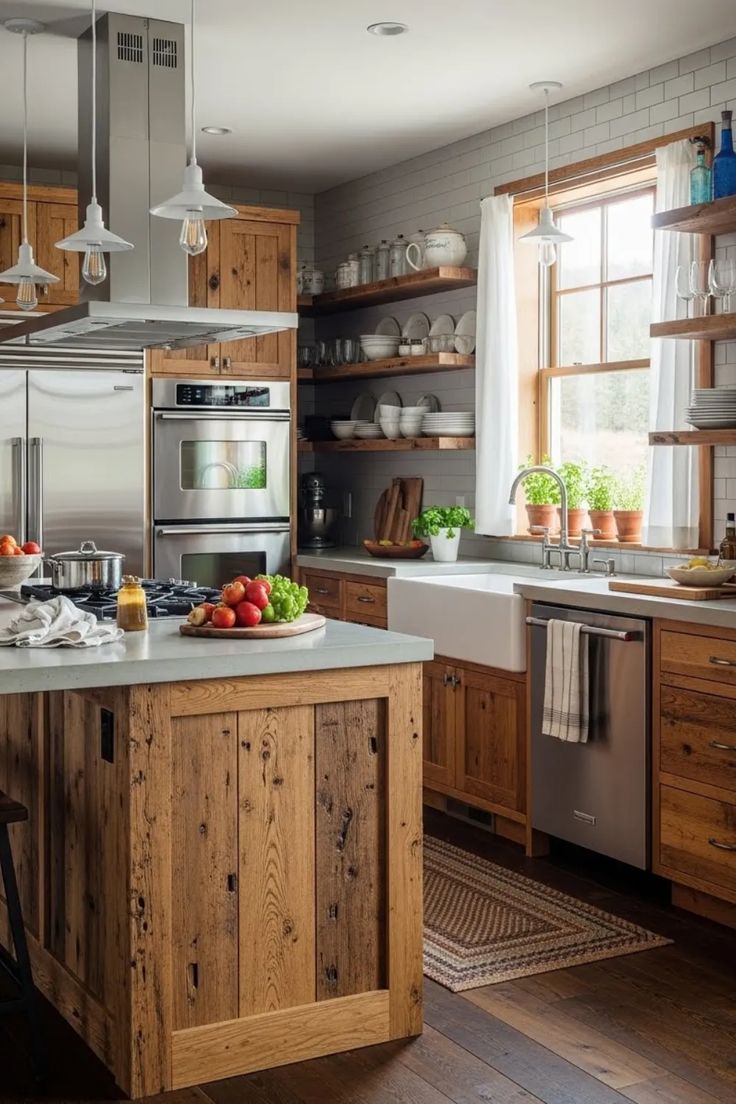
The kitchen has officially moved beyond its role as a mere place for meal preparation. In 2026, it stands as the ultimate multi-functional hub a space for socializing, remote work, and artistic expression. This year, we are seeing a significant shift away from the cold, clinical minimalism of the past decade toward warmer, more textured, and highly personalized environments.
If you are planning a renovation or simply looking for fresh inspiration, these kitchen design trends this year reflect a perfect marriage of high-tech efficiency and soulful aesthetics.
The Return of Warmth: Earthy Tones and Wood Finishes
While white kitchens will always be a classic, 2026 is the year of “warm minimalism.” Homeowners are trading stark whites and cool grays for a palette inspired by nature.
Oak, Walnut, and Natural Textures
Wood cabinetry is making a massive comeback, but with a twist. Instead of the heavy, dark stains of the early 2000s, we are seeing light-toned white oak and rich walnut with matte finishes. The focus is on the natural grain, adding a tactile warmth that makes the kitchen feel like an extension of the living room.
Earthy Color Palettes
Terracotta, sage green, and “butter” yellow are dominated the paint charts this year. These colors provide a soft, calming backdrop that pairs beautifully with natural stone countertops and brass hardware.
Hidden Technology and Integrated Appliances
As kitchens become more integrated into open-plan living areas, there is a growing desire to hide the “work” parts of the kitchen.
The Rise of the “Invisible” Kitchen
“Panel-ready” appliances are no longer a luxury they are a standard for those seeking a seamless look. Dishwashers, refrigerators, and even wine coolers are being tucked behind custom cabinetry panels to match the rest of the kitchen furniture.
Smart Integration
Technology is becoming more intuitive and less intrusive. This year, we see voice-activated faucets, smart ovens that can be preheated via smartphone, and induction cooktops that are built directly into the stone countertop, leaving a completely flat surface when not in use.
Bold Statement Backsplashes and Stone
Subway tile is taking a backseat as homeowners opt for more dramatic, high-impact surfaces.
Slab Backsplashes
One of the biggest kitchen design trends this year is the “slab backsplash,” where the countertop material usually a heavily veined marble or quartz continues all the way up the wall to the upper cabinets or the ceiling. This creates a luxurious, uninterrupted visual flow that is also incredibly easy to clean.
Handcrafted Zellige Tiles
For those who prefer a textured look, handcrafted Zellige or “artisan” tiles are the go-to. Their slight imperfections and varying shades reflect light beautifully, adding a rustic yet sophisticated charm to the space.
Specialized “Niche” Zones
The “one-size-fits-all” kitchen layout is evolving into a series of specialized zones tailored to specific lifestyle habits.
- The Beverage Station: Dedicated coffee bars and wine nooks are becoming a staple. These areas often feature a small sink, a built-in espresso machine, and storage for glassware, keeping the morning coffee rush out of the main cooking path.
- The Prep Pantry (Scullery): For those who entertain, the “back kitchen” or walk-in pantry is a top priority. It allows the main kitchen to stay clean and decorative while the heavy prep work and dirty dishes are hidden away.
Mixed Metals and Artisanal Hardware
The days of matching every faucet to every cabinet handle are over. Mixing finishes is a key trend that adds layers and character to a design.
Combining Finishes
Designers are now pairing matte black faucets with unlacquered brass hardware or satin nickel with copper accents. The key to making this work is to choose one dominant metal and use the second as a highlight. Unlacquered brass is particularly popular this year because it develops a natural patina over time, emphasizing the trend toward “living” materials.
Sustainable and Eco-Conscious Choices
Environmental impact is now a major factor in kitchen design. From the materials used to the way the kitchen operates, “green” is the ultimate goal.
- Recycled Materials: Countertops made from recycled glass or composite paper are gaining traction.
- Energy Efficiency: Induction cooking is rapidly replacing gas as homeowners look for more energy-efficient and safer alternatives.
- Longevity: There is a move away from “fast interiors” toward high-quality, durable materials that are designed to last for decades rather than years.
Frequently Asked Questions
Are open shelves still in style this year? Yes, but they are being used more sparingly. Rather than replacing all upper cabinets with shelves, homeowners are using a few strategic “floating shelves” to display curated decor, while keeping the bulk of their storage hidden behind cabinet doors to reduce visual clutter.
Is the “Kitchen Work Triangle” still relevant? While the triangle remains a solid foundation, the modern trend is moving toward “Zone Design.” This organizes the kitchen based on tasks such as a cleaning zone, a prep zone, and a cooking zone which is more effective for larger kitchens or homes with multiple cooks.
What is the most popular countertop material this year? Quartz remains the leader for its durability and low maintenance, but “Sintered Stone” and “Porcelain Slabs” are the rising stars of 2026. These materials are incredibly heat-resistant, scratch-proof, and can be printed to look exactly like rare marble.
How can I update my kitchen to reflect these trends on a budget? You don’t need a full remodel to stay on trend. Updating your cabinet hardware to brass or matte black, painting your walls in an earthy sage or warm cream, and adding a few wooden elements like a large oak cutting board can instantly modernize the space.
What is the “Waterfall” island trend? A waterfall island is where the countertop material extends vertically down the sides of the island to the floor. It remains a popular trend for modern and contemporary kitchens because it creates a clean, architectural look.